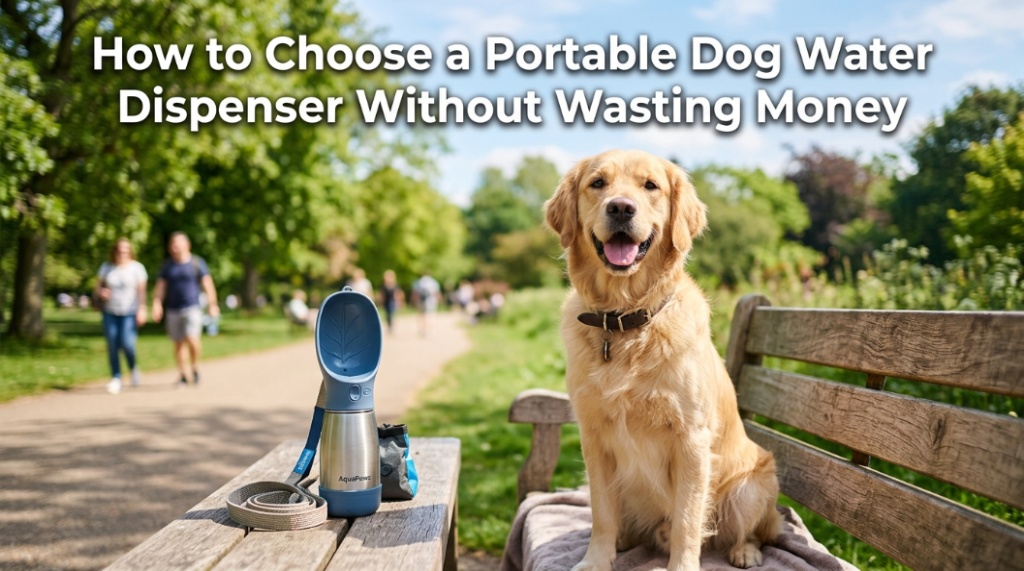
Keeping dogs hydrated during walks, road trips, and outdoor adventures matters more than many owners realize. Studies show that dogs can lose water quickly during exercise, especially in hot weather conditions. A portable dog water dispenser helps prevent dehydration while making travel easier for both pets and owners. However, many people waste money on poor-quality bottles that leak, crack, or fail after a few uses. This guide explains how to choose the right dispenser without overspending. You will also learn which features truly matter and which marketing claims you can safely ignore.
Why Portable Dog Water Dispensers Matter
Dogs need constant access to fresh water during outdoor activities and long travel days. Even mild dehydration can reduce energy levels and increase heat stress in active dogs. Portable dispensers make hydration easier during hikes, beach trips, and daily walks. Additionally, they help owners avoid using unsafe public water bowls that may carry bacteria.
Summer weather creates even bigger hydration risks for pets that spend time outdoors regularly. Many owners now combine portable dispensers with other smart summer safety tips for dogs to reduce overheating problems. Smaller breeds and puppies usually dehydrate faster than larger dogs during warm conditions. Therefore, carrying water becomes especially important during afternoon activities.
Understand Different Types of Dog Water Dispensers
Not every portable dog water dispenser works the same way during travel or exercise. Some models focus on convenience while others prioritize storage capacity and durability. Understanding the main styles helps buyers avoid paying for features they never use. Moreover, choosing the right type often depends on your dog’s size and lifestyle.
Squeeze Bottle Dispensers
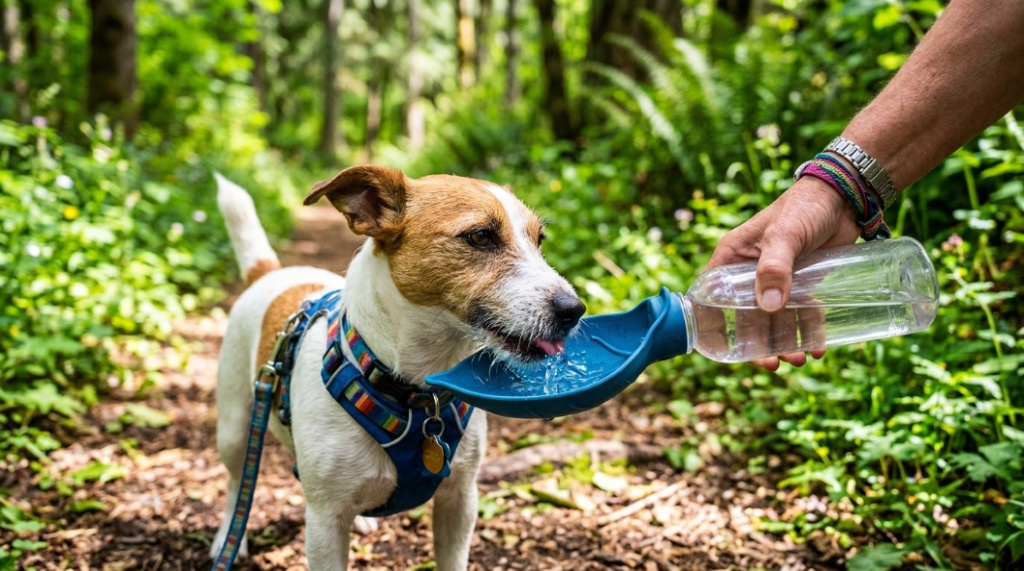
Squeeze bottles release water into a built-in drinking tray when pressed gently by hand. These models work well for short walks and quick hydration breaks during travel. They also reduce water waste because unused water often drains back into the bottle. However, cheaper versions sometimes leak after repeated use.
Foldable Bowl Systems
Some dispensers include a detachable silicone bowl that folds flat after use outdoors. These systems work well for larger dogs that drink more water at one time. Additionally, foldable bowls are easy to clean and pack inside backpacks or travel bags. However, they usually require both hands during water breaks.
Gravity-Fed Travel Bottles
Gravity-fed dispensers release water through a valve system controlled by bottle movement or pressure. These bottles often provide smoother water flow and better spill control during hikes. Many premium travel models also include lock systems that prevent accidental leaks inside bags. Still, some heavy designs feel uncomfortable during long walks.
Choose the Right Size for Your Dog
Many people buy dispensers based only on appearance instead of water capacity needs. Small dispensers may work for short city walks but fail during long outdoor activities. Larger dogs naturally require more water, especially during warm weather or intense exercise. Therefore, choosing the correct size saves money and prevents constant refilling.
Dogs under 20 pounds usually need a compact bottle between 10 and 15 ounces. Medium breeds often benefit from bottles holding around 20 ounces during daily outings. Meanwhile, large active breeds may require 25 ounces or more for hiking or beach trips. Owners in dry climates should also carry extra backup water during summer.
Focus on Material Quality Before Buying
Material quality directly affects durability, safety, and long-term value when choosing a dispenser. Cheap plastic bottles sometimes develop odors or crack after exposure to sunlight and heat. BPA-free plastic remains one of the safest and most practical options for regular outdoor use. Stainless steel bottles also offer strong durability but usually cost more.
Clean materials matter because bacteria can build up inside poorly made dispensers very quickly. Pet owners already dealing with hygiene concerns often understand how important safe products become over time. Some owners researching dog care products for sensitive skin issues also prioritize non-toxic dispenser materials. Therefore, avoiding low-grade plastics protects both your dog’s health and your investment.
Check Leak Protection Features Carefully
Leaks remain one of the biggest complaints about portable dog water dispensers today. A leaking bottle can damage bags, electronics, and car seats during travel or hiking trips. Reliable dispensers usually include lock buttons, silicone seals, or double-cap protection systems. Therefore, checking leak protection before purchase prevents expensive frustration later.
Many cheap dispensers leak because their rubber seals wear down very quickly after use. Better brands often test their bottles under pressure to improve long-term reliability outdoors. Additionally, bottles with simple locking mechanisms usually last longer than complicated designs. Buyers should also read reviews mentioning leakage problems before making a purchase.
Consider Your Climate and Environment
Climate plays a major role when selecting the best portable dog water dispenser. Owners living in hot regions need insulated bottles that keep water cool during long outdoor trips. Meanwhile, colder climates require durable materials that resist cracking during freezing temperatures. Choosing based on environment helps prevent wasted money on unsuitable products.
Beach environments create different challenges because sand easily enters open drinking trays and valves. Forest hiking areas may require lightweight bottles that fit comfortably inside backpacks or belt clips. Urban dog owners often prefer compact designs for short daily walks around busy neighborhoods. Therefore, matching the dispenser to your environment improves convenience and durability.
Do Not Ignore Cleaning and Maintenance
Easy cleaning matters more than many buyers initially expect when choosing pet travel gear. Narrow bottle openings often trap bacteria, saliva, and dirt inside hard-to-reach areas. Wide-mouth designs allow easier washing and faster drying after outdoor activities or road trips. Additionally, removable parts simplify deep cleaning and maintenance.
Some owners unknowingly create mold buildup by storing damp dispensers inside closed bags overnight. This issue becomes more common in humid climates with frequent outdoor activities. Surprisingly, poorly cleaned dispensers can also cause unpleasant smells that discourage dogs from drinking enough water. Therefore, simple cleaning access becomes a valuable long-term feature.
Understand Which Features Are Actually Worth Paying For
Many brands advertise flashy features that add cost without improving real-world usefulness for dog owners. Buyers often overspend on unnecessary extras instead of focusing on durability and function. Smart shopping means identifying features that genuinely improve convenience during daily use. As a result, owners avoid wasting money on gimmicks.
Features Worth Paying For
- Leak-proof locking system
- BPA-free or stainless steel materials
- Easy one-hand operation
- Wide-mouth cleaning access
- Comfortable carrying strap or clip
Features Often Overrated
- Built-in LED lights
- Decorative bottle shapes
- Complex digital hydration trackers
- Oversized storage compartments
- Heavy luxury materials
The Uncommon Problem Most Buyers Ignore
Many blogs discuss leaks and size, but few mention water taste retention inside cheap dispensers. Low-quality plastic sometimes changes water flavor after sitting in heat for several hours outdoors. Some dogs refuse to drink from bottles that develop unusual smells or chemical tastes. Consequently, owners may wrongly assume their dog simply dislikes portable dispensers.
Heat exposure worsens this issue during summer road trips and long hiking sessions. Stainless steel interiors or food-grade BPA-free plastics usually prevent unpleasant flavor changes more effectively. Testing the dispenser during warm conditions before major travel plans can save frustration later. This small detail often separates quality products from disappointing purchases.
Compare Budget vs Premium Dispensers
Budget-friendly dispensers can work well when buyers focus on practical features instead of branding alone. Many affordable bottles now include reliable locking systems and durable BPA-free materials. However, extremely cheap options often sacrifice seal quality and long-term durability to reduce costs. Therefore, spending slightly more sometimes saves money over time.
| Feature | Budget Models | Premium Models |
|---|---|---|
| Material Quality | Basic BPA-free plastic | High-grade plastic or stainless steel |
| Leak Protection | Moderate reliability | Advanced seal systems |
| Durability | Average lifespan | Long-term outdoor durability |
| Cleaning Access | Sometimes limited | Usually wide-mouth design |
| Price Range | Lower cost | Higher investment |
Smart Buying Tips to Avoid Wasting Money
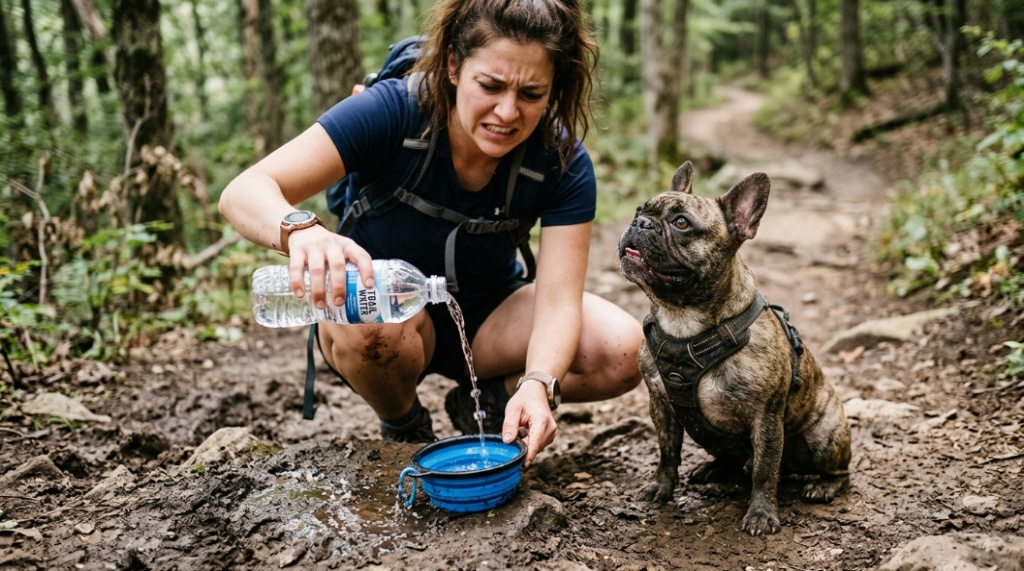
Researching carefully before buying prevents disappointment and unnecessary replacement costs later. Reading verified customer reviews often reveals problems hidden by product advertisements online. Buyers should also compare warranty coverage because strong warranties usually reflect better manufacturing quality. Additionally, testing return policies reduces risk when buying unfamiliar brands.
Choosing based on your dog’s routine also improves long-term satisfaction with the purchase. Daily neighborhood walks require different features than mountain hikes or extended travel trips. Some owners even buy separate bottles for short outings and larger adventures to improve convenience. Therefore, practical thinking matters more than trendy product marketing.
Signs You Bought the Wrong Dispenser
Several warning signs indicate that your dispenser may not suit your dog’s needs properly. Frequent leaks, difficult cleaning, and uncomfortable handling often become noticeable within the first weeks. Dogs that avoid drinking from the dispenser may also signal material or design problems. Consequently, replacing a poor-quality bottle early prevents future frustration.
Overly heavy bottles can create discomfort during long walks or hiking sessions outdoors. Small drinking trays may also frustrate large breeds that struggle to access water comfortably. Furthermore, complicated button systems often fail faster during repeated outdoor use. Simple designs usually perform better during everyday activities.
Conclusion
Choosing a portable dog water dispenser becomes much easier when you focus on quality, safety, and practical daily use. Durable materials, leak protection, and easy cleaning matter far more than flashy extra features. Matching the dispenser to your climate, dog size, and activity level also helps avoid wasting money on poor choices. Before planning future trips with your pet, many owners also explore helpful advice about responsible puppy care and preparation for safer travel experiences. Invest carefully, compare wisely, and your dog will stay hydrated comfortably for years.
FAQs
How often should I clean a portable dog water dispenser?
You should clean it thoroughly after every outdoor trip or daily use.
Are stainless steel dog water bottles better than plastic ones?
Stainless steel bottles usually last longer and resist odor buildup better.
What size dispenser works best for large dogs?
Large dogs often need bottles holding at least 25 ounces of water.
Can portable dispensers keep water cold during summer?
Insulated models help maintain cooler water temperatures during hot weather.
Why do some dogs refuse portable water dispensers?
Some dogs dislike unusual water smells or unfamiliar drinking tray designs.

You May Like

How to Improve Back Comfort with Your Office Chair in WA