Key Takeaways
- Plumbing emergencies can happen without warning, making a quick response essential to limit damage.
- Common issues include burst pipes, clogged drains, overflowing toilets, and persistent leaks.
- Shutting off the main water supply is the most important first step in any emergency.
- Temporary fixes can help control minor issues, but major problems require professional help.
- Regular inspections, pipe insulation, and proper drain care can prevent many emergencies.
- Know your plumbing system and when to call a licensed professional to avoid worsening damage.
Plumbing emergencies can strike unexpectedly, disrupting your routine and causing significant stress. Whether it’s a burst pipe at midnight or a clogged drain during a family gathering, knowing how to respond can make all the difference in preventing costly damage. If you ever find yourself in urgent need of emergency plumbing, a timely response is crucial for safeguarding your property.
Homeowners who understand the basics of their plumbing system are better equipped to act quickly and minimize harm. By preparing in advance, you can restore normalcy faster and even avoid emergencies altogether. Taking prompt action, practicing regular maintenance, and recognizing when professional help is necessary are all essential for keeping your home safe from water damage.
Common Plumbing Emergencies
Plumbing emergencies are unpredictable and can escalate quickly if not addressed promptly. Some of the most frequent scenarios include:
- Burst Pipes: Often caused by freezing temperatures or deteriorating pipe material, burst pipes and plumbing stoppages can cause major flooding or system backups in a matter of minutes. Quick identification and shutdown of the water source is critical in these situations.
- Clogged Drains: Over time, debris, grease, and hair accumulate in drains, leading to blockages and reduced water flow. These can result in unsanitary backups and pose health risks if not addressed promptly.
- Overflowing Toilets: Blockages or faulty toilet components can cause water to rise and spill onto your bathroom floor. This issue not only damages flooring but can also indicate problems with the sewage system.
- Leaking Faucets: Although not always classified as emergencies, continuous leaks waste water and can cause hidden structural damage if left unresolved.
Recognizing these situations early allows you to implement immediate safety measures before they spiral out of control.
Immediate Steps to Take
When confronted with a plumbing emergency, the first moments are critical. Quick responses not only help protect your property but may also save you from expensive repairs. The following recommended steps are universally applicable:
- Shut Off the Water Supply: Your first action should be to locate the main shut-off valve and shut off the water supply to minimize flooding. For smaller leaks, individual shut-off valves are often located under sinks or beside toilets.
- Drain Remaining Water: Open all faucets and showers to let out as much water as possible. This relieves pressure in your pipes and decreases the water available to cause further damage.
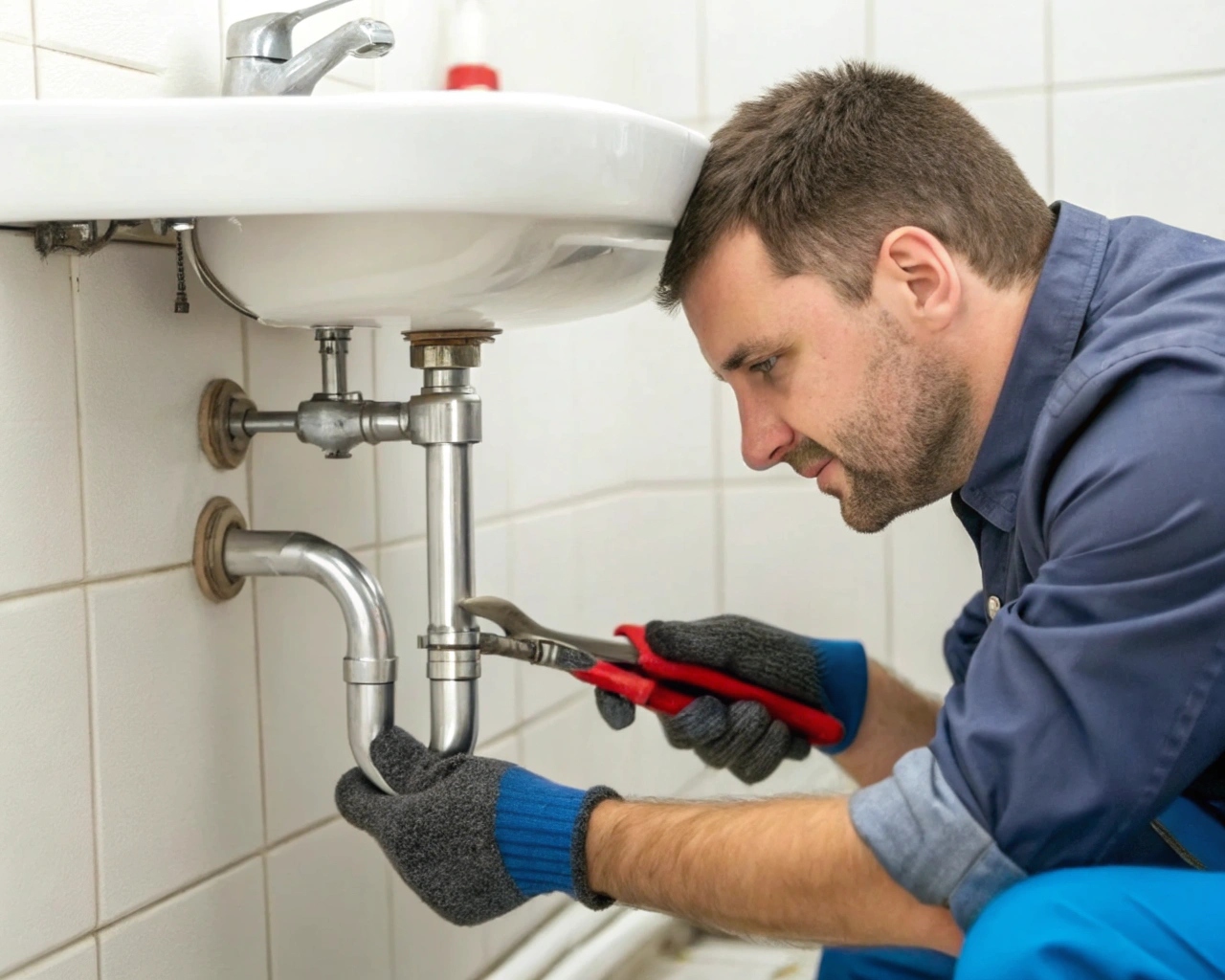
- Address Minor Leaks: Temporary measures such as pipe clamps, epoxy, or plumber’s tape can keep a leak under control until professional assistance is available.
- Clear Clogs Carefully: Use plungers or plumbing snakes for minor obstructions. Avoid using harsh chemicals, as these can damage pipes and worsen the problem.
Remember, safety is always the priority. In the event of extensive flooding or sewage backups, do not attempt major repairs. Instead, evacuate the affected area and wait for professional help.
Preventive Measures
Many plumbing emergencies are avoidable through regular inspections and routine care. Taking preventive measures reduces your risk and ensures the longevity of your household plumbing. Important maintenance actions include:
- Inspect Pipes Regularly: Periodically check pipes for signs of rust, mineral buildup, or small leaks. Early detection allows you to fix minor issues before they escalate.
- Insulate Exposed Pipes: In colder regions, unprotected pipes are vulnerable to freezing and bursting. Use foam insulation or heating tape to shield pipes during the winter months.
- Avoid Chemical Drain Cleaners: Though convenient, chemical cleaners erode pipes and can create worse blockages. Opt for mechanical cleaning tools, such as plungers or hand augers, for stubborn clogs.
- Know Your Plumbing System: Familiarity with shut-off valves, appliance connections, and the location of your main water line is vital. Keep a basic plumbing toolkit and know how to use it to manage small repairs independently.
Routine checks and basic maintenance can preserve your plumbing and save money.
When to Call a Professional
While some plumbing problems can be handled by a knowledgeable homeowner, certain scenarios demand professional intervention:
- Persistent Leaks: If a leak continues despite temporary fixes, call a licensed plumber to address the root cause and prevent further damage.
- Major Pipe Bursts: Large-scale bursts often require specialized equipment and repairs beyond simple patching.
- Sewage Backups: When wastewater backs up through drains or fixtures, there may be a serious blockage or break in your main sewer line. This poses health risks and should always be handled by experts.
- Water Heater Malfunctions: Issues such as a lack of hot water, unusual noises, or visible leaks in the water heater require prompt professional inspection.
Sometimes, trying to fix complex plumbing problems on your own can lead to greater expenses and even insurance complications. Always err on the side of caution when dealing with plumbing emergencies that exceed your skill level.
Final Thoughts
Managing plumbing emergencies efficiently depends on preparation and knowledge. Quick action, regular maintenance, and knowing when to seek professional help will protect your property and give you peace of mind. By equipping yourself with the right information and resources, you are taking the best steps to keep your plumbing system in excellent condition and your home safe from unexpected disasters.

You May Like
How to Maintain Trees and Shrubs in Georgia Backyards