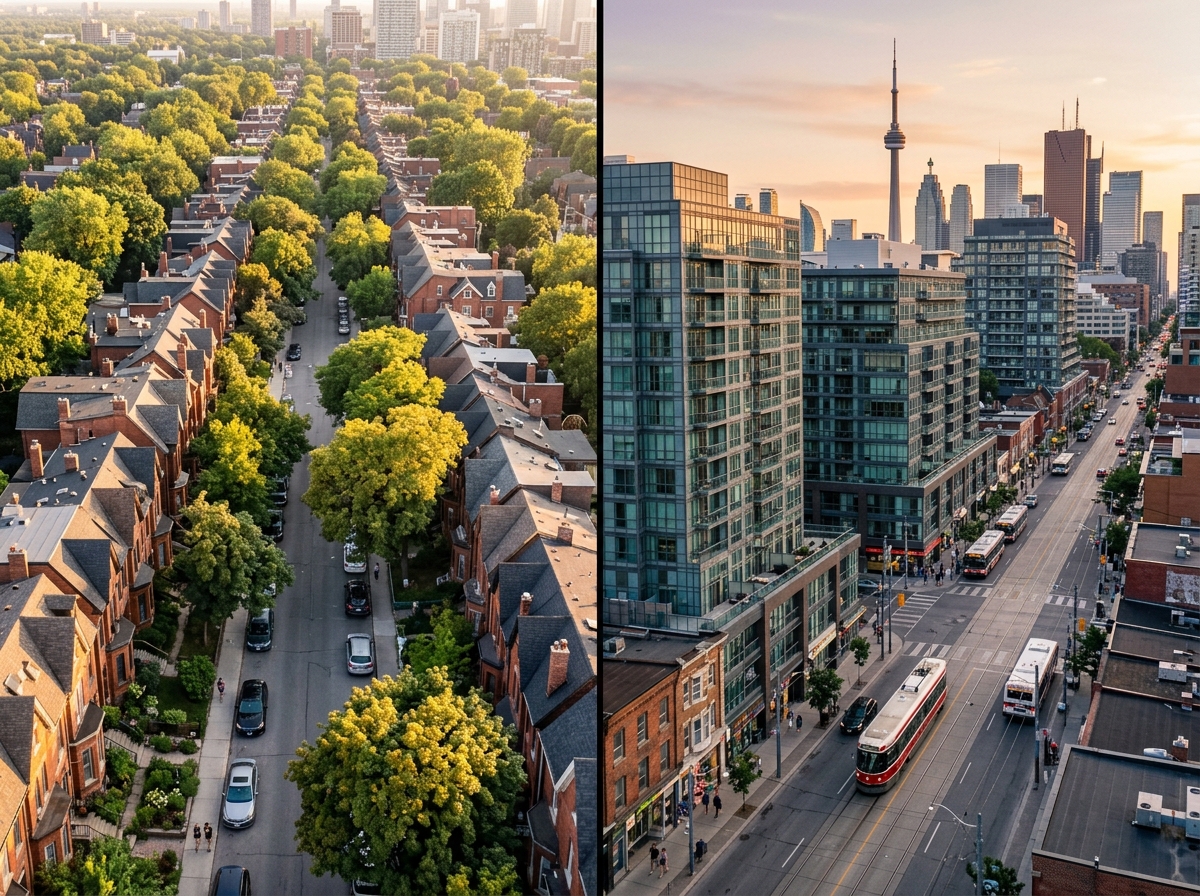
There is no single best neighborhood for every Toronto buyer. A family looking for bedrooms and nearby parks may prioritize different features than a first-time condo buyer, a hybrid worker, an investor, or a downsizer. The strongest choice is usually the one that supports everyday routines, plans, and a sustainable budget, not simply the one with the most recognizable name.
For a practical starting point, the Adam Parsons Group offers local real estate guidance across Toronto and North Toronto, including communities such as Lawrence Park, York Mills, Cricket Club, and Bedford Park. Their collection of Toronto CA homes for sale helps buyers see how available properties vary by location, price range, and home style. At the same time, the team’s neighborhood-level experience can add useful context when comparing streets, amenities, and housing options.
Start With Your Buying Profile
Before comparing areas, define what a suitable home must deliver. Set a maximum purchase price and a monthly payment level that still leaves room for savings, travel, childcare, retirement contributions, and unexpected repairs. Then identify the non-negotiables that will shape the search.
- Preferred property type, such as a condo, townhouse, semi-detached, or detached home.
- Maximum commute time and likely work locations.
- Need for parking, storage, outdoor space, elevators, or a home office.
- School, healthcare, accessibility, or caregiving needs.
- Plans for the next five to ten years.
Two buyers with the same budget may make very different decisions. One may prefer a smaller condo close to rapid transit because office days are frequent. Another may accept a longer trip in exchange for extra rooms, a yard, and space for a growing household.
Compare The Full Cost Of Ownership
The listing price is only one part of the financial picture. Estimate the mortgage payment alongside property taxes, insurance, utilities, parking, maintenance, and, where applicable, condominium fees. Buyers of freehold homes should also maintain a repair reserve for items such as roofing, plumbing, heating, windows, drainage, and exterior work.
Include Ontario and Toronto land transfer taxes in the closing budget, along with legal fees, inspection costs, moving expenses, and immediate upgrades. A lower-priced home that requires substantial work, has high monthly fees, or creates expensive transportation needs may not be the lower-cost option over time.

Match The Neighborhood To The Housing Stock
Toronto’s housing choices vary greatly by community and even by street. Condos can suit buyers who value transit access, nearby services, and less exterior maintenance. Townhomes may offer more room with a smaller maintenance burden than many detached properties. Semi-detached homes can offer a balance of location, outdoor space, and price, while detached homes generally offer more privacy and flexibility but also require more upkeep.
Older homes can offer character, mature streetscapes, and sometimes larger lots. They also deserve careful attention to electrical systems, plumbing, insulation, roofing, foundations, and previous renovations. Compare like with like. A downtown condo and a detached home in North Toronto serve different needs and should not be judged by the same value measures.
Test The Actual Commute And Daily Errands
A transit map can make a location appear convenient, but the real experience includes the walk to the stop, transfers, wait times, weather, and the trip home at night. Test the route during a normal weekday morning and evening. Also review weekend and late-night service, driving time, traffic patterns, and the cost and availability of parking.
A difference of 10 minutes each way can add up to a meaningful amount of personal time over a year. Treat commuting as part of the ownership cost. Then walk the immediate area and ask what can be reached in 10 to 15 minutes: groceries, pharmacies, cafés, parks, recreation centres, libraries, childcare, and medical services.
Verify Schools And Community Needs By Address
School considerations should be researched carefully because access can depend on the exact address, grade, program, and board rules. Use the Toronto District School Board’s address-based school search to identify regular-program schools serving a specific property, then confirm current availability and any program requirements directly with the relevant board.
Families should also consider childcare, recreation programs, medical appointments, accessibility, and support networks. A neighborhood may appear ideal on a broad map, but still pose difficult daily logistical challenges for a particular household.
Research Planned Changes, Not Just Current Conditions
Look beyond the home itself. Nearby construction, road work, transit projects, vacant land, planning applications, and new retail can change how a street feels. Development may bring homes, amenities, parks, or improved transportation, but it can also create temporary noise, dust, traffic, and reduced convenience during construction.
The City’s ward profiles and construction notices can help buyers review local demographic and dwelling information while checking for notices by street. Use public data as context, then visit the area in person to understand how the location works today.
Compare Local Sales, Streets, And Resale Fundamentals
City-wide averages can hide major differences between property types and neighborhoods. Review recent comparable sales for homes with similar size, condition, lot characteristics, parking, and location. Separate condo, townhouse, semi-detached, and detached comparisons. Also consider how long comparable homes were listed and whether asking prices aligned with final sale prices.
Neighborhood names are broad labels. A busy arterial road may feel completely different from a quiet side street only a few blocks away. Visit at rush hour and after dark. Listen for traffic, trains, aircraft, or nightlife noise, check sidewalks and lighting, and pay attention to parking pressure, drainage, and basement moisture concerns where relevant.
For long-term appeal, prioritize practical features over predicting price growth. Reliable transit, useful services, natural light, flexible rooms, sound maintenance, storage, parking where commonly needed, and access to parks can make a home more adaptable. A buyer may reasonably choose a quieter street in a less famous pocket if it better supports sleep, school runs, dog walks, and work routines.
Questions To Ask Before Making An Offer
- What have closely comparable homes sold for recently?
- What will the property cost monthly after taxes, fees, utilities, and transportation?
- Are there known repairs, condominium issues, or nearby building projects?
- Does the home provide the required parking, storage, layout, and outdoor space?
- How long does the commute take in real conditions?
- Which schools and services serve this exact address?
- Would this home still work after a change in job, family, or hybrid work?
Quick Toronto Neighborhood Comparison Checklist
- Set a realistic total budget, not only a purchase-price ceiling.
- Narrow the search to property types that fit the household.
- Set a maximum acceptable commute.
- Visit each area more than once and at different times.
- Compare recent local sales instead of relying on broad averages.
- Check schools, services, transit, parking, and planned development.
- Inspect the home carefully and account for repair costs.
- Choose the location that works for real daily life.
Common Questions About Comparing Toronto Neighborhoods
Should Buyers Choose The Neighborhood Or The Home First?
Start with basic limits such as budget, commute, property type, and essential services. Those boundaries make it easier to compare individual homes and locations together.
How Many Areas Should A Buyer Compare?
Comparing three to five areas is often manageable. It provides meaningful options without searching so broadly that it becomes difficult to evaluate homes consistently.
Are Older Toronto Homes Worth Considering?
They can be, particularly for buyers who value established streets and character. A thorough inspection and clear understanding of major system updates are essential before making a decision.
Choose The Area That Supports Real Life
Buying in Toronto is not simply a comparison of photos and asking prices. A sound decision considers total costs, property condition, commute time, daily services, street-level comfort, and future flexibility. By using local data, verifying address-specific details, and spending time in each area, buyers can choose a home and neighborhood that fit the way they actually live.

You May Like