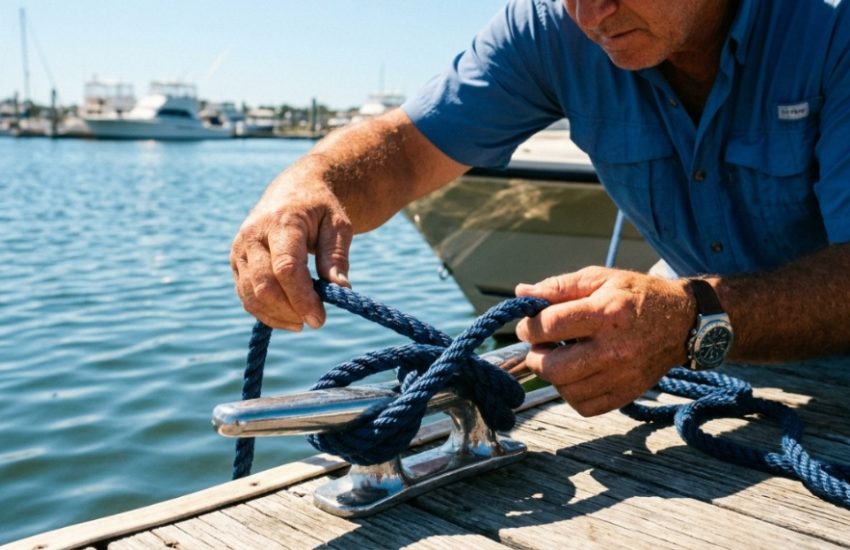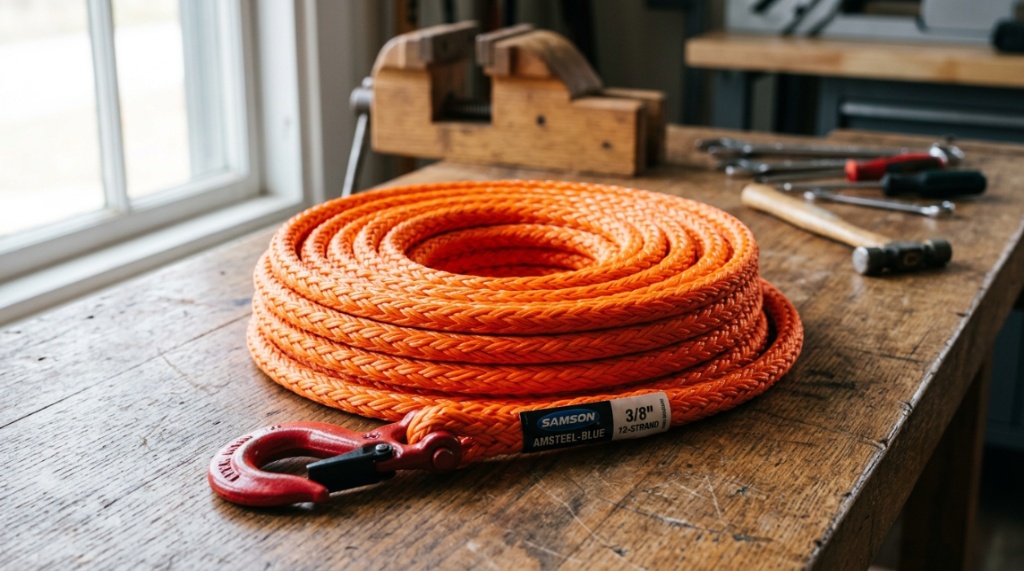
You need a rope that won’t snap under pressure, but your budget won’t stretch for premium brand names. You’ve heard about Amsteel—the synthetic rope that rivals steel cable in strength—but the price tags on many options make you wince. The good news is that finding durable Amsteel rope cheap isn’t a fantasy. It’s about knowing where to look, what specs actually matter, and which corners you can safely cut without ending up with a frayed mess on your first heavy haul. In this guide, we’ll walk you through the exact steps to score a high-performance rope that saves you money and keeps you safe.
What Makes Amsteel Rope So Durable Compared to Other Synthetics?
The Science Behind Dyneema Fiber Construction
Amsteel is made from Dyneema, a ultra-high-molecular-weight polyethylene (UHMWPE) fiber that floats on water and has a strength-to-weight ratio ten times that of steel. Unlike nylon or polypropylene, Dyneema fibers resist UV degradation, remain flexible in freezing temperatures, and won’t absorb water. This means your rope won’t rot, freeze stiff, or lose tensile strength over time. When you buy a quality Amsteel product, you’re getting a line that lasts years longer than standard synthetic ropes.
How Construction Impacts Long-Term Wear
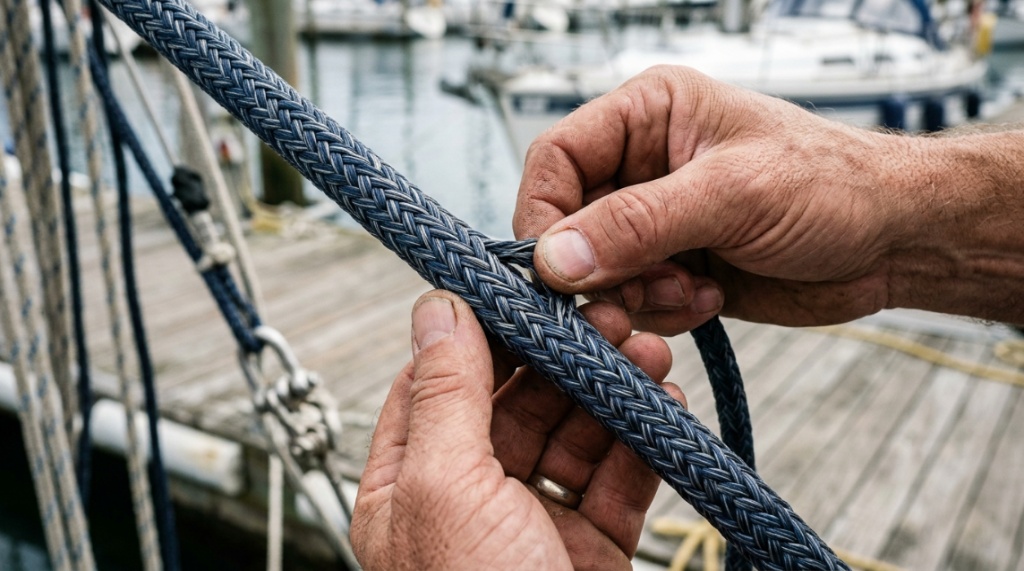
Not all Amsteel is created equal. Look for a 12-strand braided construction, which provides the best balance of flexibility, abrasion resistance, and knot-holding ability. Cheaper knockoffs often use fewer strands or lower-grade Dyneema, resulting in a rope that frays quickly under load. A genuine Amsteel rope with a tight braid and consistent diameter will maintain its shape and strength after hundreds of cycles.
Real-World Lifespan Comparisons
In marine and off-road applications, a proper Amsteel line can last 5–10 years with proper care. Compare that to polyester double-braid, which often needs replacement every 2–3 years under similar conditions. The durability you’re paying for translates directly to lower long-term cost. A slightly higher upfront investment in genuine material saves you from buying replacements annually.
Why Is Cheaper Amsteel Rope Often a Bad Investment?
The Hidden Costs of Low-Grade Dyneema Blends
Some budget ropes advertise “Dyneema” but actually contain a blend of polyethylene with polypropylene or polyester fillers. These blends reduce the rope’s breaking strength by 30–50% and accelerate wear. When you compare price per pound of working load, the cheap stuff often costs more because you need thicker rope to achieve the same safety margin. You end up paying for extra weight and bulk without gaining real durability.
Counterfeit Risks and Safety Hazards
The popularity of Amsteel has spawned a wave of counterfeit products, especially on online marketplaces. Fake ropes may look identical but lack the UV stabilizers and consistent fiber alignment that prevent sudden failure. A snapped tow line can cause serious injury or property damage. Spending a few extra dollars to buy from a verified supplier eliminates this gamble.
What to Check Before You Click “Buy”
- Breaking strength rating: Compare the stated breaking strength to the rope diameter. Genuine 3/8-inch Amsteel typically tests around 19,000–22,000 lbs.
- Fiber content disclosure: The manufacturer should specify 100% Dyneema SK78 or DM20 fiber, not a vague “UHMWPE blend.”
- Country of origin: Many premium ropes are made in the USA or Europe with stricter quality control.
How Can You Identify a Reliable Source for Affordable Amsteel?
Look for Manufacturers Who Sell Direct
Brands like Yifa Rope cut out the middleman and offer wholesale pricing directly to consumers. When you buy direct, you avoid retail markups of 30–50%. This is the most effective way to find durable Amsteel rope cheap without compromising on material purity. Direct sellers also provide detailed spec sheets and batch test results, giving you transparency that third-party sellers rarely offer.
Verify Third-Party Testing and Certifications
Reputable suppliers publish independent lab tests verifying breaking strength, abrasion resistance, and UV stability. Look for ropes that meet or exceed standards like MIL-DTL-11040 or ABYC H-41 for marine use. If a seller won’t share test data, move on. You need proof, not promises.
Check Customer Reviews for Real-World Feedback
Skim reviews for comments on long-term durability, not just initial impressions. Look for phrases like “still strong after 3 years” or “handles heavy loads without fraying.” A product with dozens of verified reviews mentioning consistent quality is safer than one with a handful of generic five-star ratings.
Which Rope Construction Offers the Best Value for Your Money?
12-Strand Braid vs. 8-Strand Braid
| Construction Type | Flexibility | Abrasion Resistance | Knot Holding | Typical Cost per Foot |
|---|---|---|---|---|
| 12-strand braid | High | Excellent | Good | $0.80–$1.50 |
| 8-strand braid | Moderate | Average | Fair | $0.50–$0.90 |
The 12-strand construction is the industry standard for winch lines, tow ropes, and rigging because it splices cleanly and resists flattening under load. While 8-strand ropes save you 30–40% upfront, they often fail at the splice point and require more frequent replacement. Over a 5-year period, the 12-strand rope is almost always cheaper per use.
The Role of a Polyester Cover
Some affordable Amsteel ropes feature a polyester jacket that protects the Dyneema core from UV and abrasion. This hybrid design costs slightly less than full Dyneema and extends service life in dirty or high-friction environments. If your use involves dragging rope over concrete or sand, a covered rope is a smart budget choice. For marine or arborist applications where water and weight matter, stick with bare Amsteel.
Diameter Selection for Cost Efficiency
Don’t automatically buy the thickest rope available. Calculate your maximum required working load and add a 5:1 safety factor. For example, if you need to pull 4,000 lbs, a 3/16-inch Amsteel rated at 8,600 lbs breaking strength is more than adequate and costs roughly half as much per foot as 5/16-inch. Oversizing wastes money and adds unnecessary weight.
When Is the Best Time to Buy Amsteel Rope at Discount Prices?
Seasonal Sales and Industry Expos
Many rope manufacturers offer 10–20% discounts during spring and fall inventory turnover. Sign up for newsletters from direct sellers like Yifa Rope to catch these windows. Industry trade shows in late winter often feature show-floor pricing that isn’t available online. If you plan ahead, you can stock up on multiple spools at a significant discount.
Bulk Purchases and Spool Pricing
Buying a 100-foot or 250-foot spool instead of pre-cut lengths typically reduces the per-foot cost by 15–25%. A spool also gives you the flexibility to cut custom lengths for different projects. If you need rope for multiple applications—winching, towing, and lashing—buying bulk is the easiest way to get durable Amsteel rope cheap without waiting for a sale.
Clearance and Discontinued Colors
Rope manufacturers frequently discontinue color varieties. Neon yellow or orange spools leftover from a previous production run often get clearance pricing 30–40% below standard. Color has zero impact on strength or durability, so this is a completely safe way to save money. Check the clearance section on your preferred supplier’s site before shopping regular stock.
How Should You Maintain Cheap Amsteel to Maximize Its Lifespan?
Proper Storage Techniques
Store Amsteel away from direct sunlight and heat sources. UV exposure is the primary enemy of Dyneema fibers. Keep rope coiled loosely to prevent permanent bends or kinks, and avoid storing it in humid spaces or near chemicals like battery acid. A dry, dark garage or gear bag works perfectly.
Inspection Routines to Catch Wear Early
Before each heavy use, run the rope through your fingers to feel for soft spots, fuzziness, or flat sections. These are signs of internal fiber damage. Also check the first 6 inches from each end, where most abrasion occurs. A small fuzzy spot can be trimmed away, while a full soft section means the rope should be retired immediately.
When to Splice vs. Replace
Amsteel is designed to be spliced rather than knotted, because knots reduce breaking strength by 30–50%. If you notice wear at an existing splice, you can cut off the damaged section and create a new splice, effectively extending the rope’s life by months or years. Learning a simple bury splice takes 15 minutes and saves you from buying a new rope prematurely.
When preparing heavy gear for outdoor projects or clearing heavy timber where proper tree removal supports a healthy landscape, ensuring your rigging equipment is both reliable and cost-effective is essential.
Can You Use Amsteel Rope for Applications Beyond Winching?
Marine Mooring and Anchoring
Amsteel’s zero water absorption makes it ideal for dock lines and anchor rodes. Unlike nylon, it won’t stretch under constant load, which is beneficial for maintaining a steady position but requires a shock absorber if you’re in rough water. A 1/4-inch line holds a 30-foot boat easily and costs a fraction of traditional three-strand nylon when bought in bulk.
Arborist Rigging and Climbing
Tree care professionals increasingly use Amsteel for lowering lines because it doesn’t absorb sap, stays flexible in cold weather, and runs smoothly over pulleys. For climbing, combine a Amsteel friction saver with a dynamic climbing line. The low stretch is safe for positioning but not for lead climbing falls—use dynamic rope for that application.
Off-Road Recovery and Overlanding
Overlanders love Amsteel for kinetic recovery ropes and winch lines because it’s lightweight (saving vehicle payload), floats in water crossings, and stores in a fraction of the space of steel cable. A 5/16-inch Amsteel line replaces a heavy wire cable and outperforms it in flexibility and ease of handling.
Frequently Asked Questions
Is cheap Amsteel rope as strong as expensive brands?
Not always. Cheap Amsteel often uses lower-grade Dyneema or blended fibers that reduce breaking strength by 20–40%. However, some affordable direct-sell brands offer the same SK78 fiber as premium names at lower prices because they skip retail markup. Always verify the fiber grade and breaking strength rating before buying.
How do I know if Amsteel is genuine or fake?
Genuine Amsteel feels slightly waxy and has a consistent, tight braid. Fake rope often feels fuzzy or rough, has an uneven diameter, and may smell like plastic rather than having a neutral odor. Request a spec sheet with fiber certification. If the seller hesitates to provide it, assume it’s counterfeit.
Can I splice cheap Am I steel rope by myself?
Yes. Amsteel splices easily using a simple bury technique that requires only a splicing fid or a piece of stiff wire. Most 12-strand Dyneema ropes require a taper length equal to 72 times the rope diameter. Watch a video tutorial for your specific rope type before starting.
What is the most affordable diameter for general use?
For most winching and towing tasks, 3/16-inch or 1/4-inch provides a good balance of strength and cost. A 100-foot spool of 1/4-inch Amsteel typically costs $80–$120 and handles up to 10,000 lbs of breaking strength. That’s more than enough for a standard SUV or small boat.
How often should I replace Amsteel rope?
Replace Amsteel when you notice soft spots, flat sections, or fraying that exposes the inner fibers. With proper care and infrequent heavy use, a good rope lasts 5–10 years. If you use it daily in abrasive conditions, inspect every month and replace annually.
Does Amsteel rope stretch under a heavy load?
No. Amsteel has less than 2% stretch at breaking load, which is far less than nylon (15–30%). This low stretch is excellent for winching and static rigging but can cause shock loading without a damper. Use a snatch block or a soft shackle to absorb sudden forces.
Where can I buy bulk Amsteel rope at wholesale prices?
Direct manufacturers like Yifa Rope offer bulk spools at wholesale prices. Avoid mass-market retailers who add a 30–50% markup. A quick search for “bulk Amsteel rope” will reveal several direct-sell options, but prioritize those with published fiber specs and positive independent reviews.

You May Like
How to Improve Back Comfort with Your Office Chair in WA