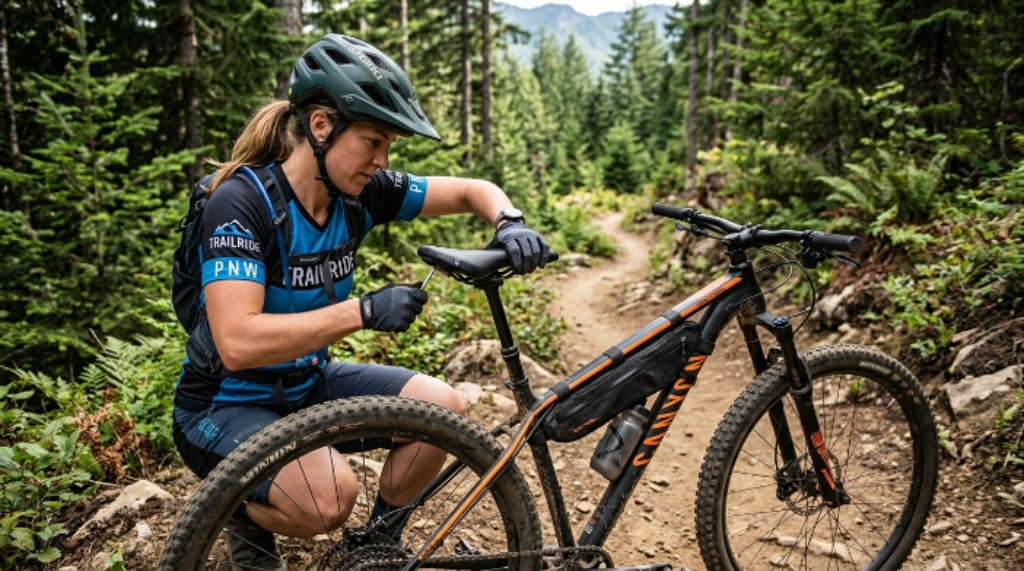
Every mountain biker knows that feeling. You are halfway through a trail, the views are stunning, and then the pain starts. Your saddle begins to feel like a rock. By the end of the ride, discomfort is all you can think about. Choosing the right saddle can completely change this experience. Therefore, knowing what to look for before you buy is one of the smartest things you can do as a rider.
This guide walks you through everything you need to consider. From anatomy to trail type, from padding to rail material, each detail matters. Read on, and you will never settle for a painful ride again.
Why Your Saddle Choice Matters More Than You Think
Many riders spend hundreds of dollars on suspension, tires, and drivetrains. However, they overlook the one component that directly touches their body for every single minute of a ride. The saddle affects your posture, your pedaling efficiency, and your overall enjoyment on the trail.
A poorly chosen saddle can cause numbness, chafing, lower back pain, and even long-term soft tissue damage. On the other hand, the right saddle feels almost invisible. You stop thinking about it and start thinking about the trail ahead.
Long ride comfort is not just about cushioning. It is about how well the saddle fits your unique body. This is the most important idea to carry with you as you read this article.
Understanding Saddle Shape and Width
The shape of a saddle determines how your pelvis sits on it. Every rider has a different sit bone width. Sit bones, also known as ischial tuberosities, are the two bony points at the bottom of your pelvis. They carry most of your weight when you ride.
Saddles that are too narrow cause your soft tissue to bear the load instead of your bones. Saddles that are too wide cause inner thigh rubbing and restrict your pedaling motion. Therefore, measuring your sit bone width before you buy is essential.
Many local bike shops offer a sit bone measurement tool. It only takes a few minutes. Once you know your measurement, you can match it to a saddle width within the recommended range. Most manufacturers provide a fit guide on their websites.
Additionally, saddle shape varies from flat to curved. Flat saddles allow more movement and position shifting, which suits aggressive trail riding. Curved saddles cradle the pelvis more firmly, which works well for riders who hold a steady position.
Padding: Finding the Right Amount
More padding does not always mean more comfort. This surprises many new riders. However, it is one of the most important lessons in saddle selection.
Excessive foam padding compresses over time and under pressure. This creates pressure points in the wrong places. Thinner, denser padding distributes weight more evenly and lasts much longer.
Gel padding is popular because it feels soft in the store. However, gel tends to shift and bunch during movement, which can increase chafing on longer trails. Foam padding with a density that matches your riding style tends to perform better in the long run.
For mountain biking specifically, a moderate level of padding is ideal. You are moving around more than a road cyclist. Too much cushion can interfere with bike control. Therefore, aim for comfort without excess.
If you want a soft saddle MTB option for gentler trails or bikepacking trips, look for saddles with memory foam layers combined with a channel cutout for pressure relief. This combination serves casual riders and endurance cyclists well.
The Importance of a Central Channel or Cutout
A central channel runs along the middle of the saddle from front to back. A cutout is a complete hole in the same area. Both features serve a critical purpose. They relieve pressure on the perineal area and reduce the risk of numbness.
Numbness in the hands or groin during long rides is a warning sign. It means blood flow is being restricted. Over time, this can cause nerve damage. Therefore, selecting a saddle with a channel or cutout is strongly recommended for anyone spending more than an hour in the saddle at a time.
Women riders typically benefit more from wider cutouts due to differences in pelvic anatomy. Men often do well with narrower channels. However, this varies from person to person, so trying different options is always worthwhile.
Saddle Profile: Flat, Curved, or Semi-Curved
The profile of a saddle refers to how it curves from side to side and from nose to tail. Trail riders and enduro athletes often prefer flatter profiles. This allows them to slide forward and backward freely as the terrain demands.
Cross-country racers tend to prefer saddles with a slight upward curve at the back. This cradles the pelvis and reduces the feeling of sliding forward on steep climbs.
Additionally, the nose length matters. A shorter nose reduces contact during dynamic movement. Many modern mountain bike saddles feature shortened noses for exactly this reason. They give you more freedom while also reducing soft tissue pressure.
Rail Material and Its Effect on Ride Quality
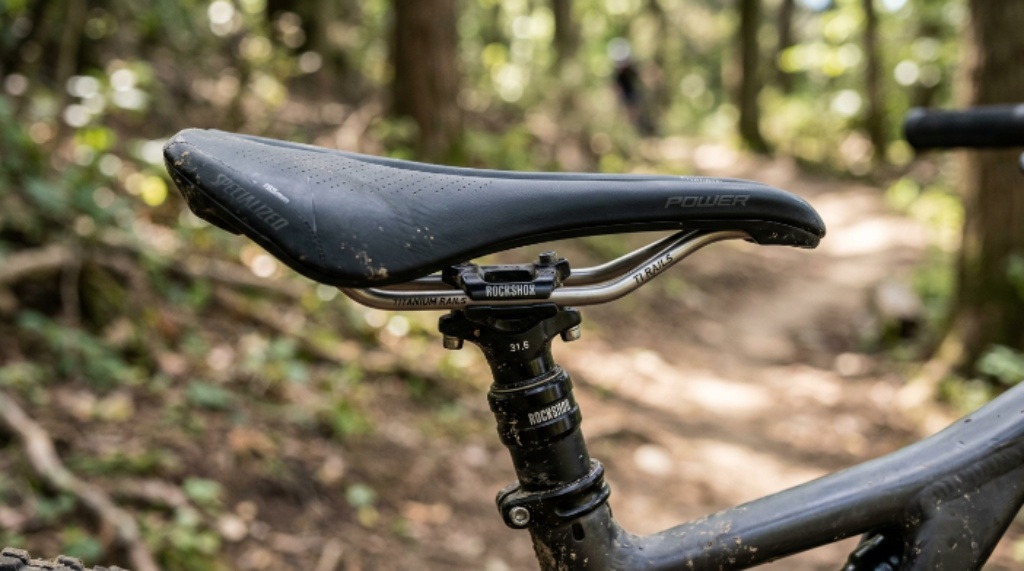
The rails are the two parallel rods that attach the saddle to your seatpost clamp. They come in several materials, each with different properties.
Steel rails are the most affordable. They are heavy and do not absorb vibration well. However, they are very durable and hard to damage.
Manganese rails offer a slight improvement in weight and compliance over steel. They are a solid choice for entry-level to mid-range saddles.
Titanium rails are lighter and flex slightly under load. This flex absorbs trail vibration, which makes a real difference on long rides over rough terrain.
Carbon fiber rails are the lightest option. They absorb vibration well but can crack under sudden lateral force. Therefore, they are better suited for cross-country racing than aggressive trail riding.
For most mountain bikers seeking long ride comfort on varied terrain, titanium rails offer the best balance of weight, durability, and compliance.
Trying Before You Buy
No article can tell you exactly which saddle will work for your body. That is why testing is so valuable. Many bike shops offer demo saddles that you can borrow for a few rides. Online retailers sometimes have generous return windows for unused saddles.
Take advantage of these opportunities. Ride the saddle on terrain similar to your usual routes. Pay attention to how you feel after 45 minutes and again after 90 minutes. Discomfort that appears early usually worsens. Comfort that holds steady at 45 minutes often lasts much longer.
Additionally, give your body time to adjust. A new saddle can feel unfamiliar for the first two or three rides. However, if pain persists beyond that adjustment period, the saddle is likely not the right match.
Matching Your Saddle to Your Riding Style
Trail riders need freedom of movement. An ergonomic bike seat with a shorter nose, moderate padding, and a flat profile gives you that freedom while supporting your pelvis through technical sections.
Enduro riders deal with steep descents and punishing terrain. Durability matters here. Look for saddles with reinforced shells and robust rail attachments.
Bikepacking and long-distance riders prioritize sustained comfort over hours or even days. A slightly wider saddle with a good cutout and titanium rails suits this purpose well.
Cross-country riders want lightness and efficiency. A narrow saddle with minimal padding and carbon or titanium rails helps save energy over race distances.
Therefore, before you browse options, define what kind of rider you are. Your riding style is the clearest filter for narrowing down the right saddle.
Conclusion
Choosing the right mountain bike saddle takes a little research, some self-awareness, and ideally a chance to test before committing. Start by measuring your sit bone width. Then think about your riding style, the terrain you cover, and how long your typical rides last.
Look for a saddle that matches your sit bone width, has an appropriate amount of padding, includes a channel or cutout for pressure relief, and uses rail material suited to your budget and performance needs. An ergonomic bike seat that fits your body correctly will transform your time on the trail.
Remember, saddle comfort is deeply personal. What works perfectly for your riding partner may not work for you. However, with the right approach, you will find a saddle that makes every ride better. The trail deserves your full attention, not your discomfort.
Frequently Asked Questions
How do I know if my mountain bike saddle is too narrow?
If you feel pain or pressure on soft tissue rather than your sit bones after a short ride, the saddle is likely too narrow. Your sit bones should rest comfortably on the widest part of the saddle.
Is a softer saddle always better for long rides?
No. Extremely soft saddles compress under body weight and create more pressure over time. A medium-density saddle with a proper cutout usually provides better comfort on long trails.
How often should I replace my mountain bike saddle?
Most saddles last two to five years depending on use and care. Replace yours if the shell cracks, the padding loses its shape, or you notice increasing discomfort that cannot be fixed with positioning adjustments.
Can saddle tilt affect comfort on long rides?
Yes. A saddle tilted too far forward puts pressure on your wrists and hands. Too far back strains your lower back. A level saddle or one with a very slight nose-down tilt of one to two degrees works for most riders.
Do I need a different saddle for mountain biking versus road cycling?
Yes, generally. Mountain bike saddles are designed for more dynamic movement, shorter noses, and greater durability. Road saddles are typically narrower and optimized for a fixed, forward-leaning position.
Related Topics:
Fishing Rod Combo vs Separate Rod and Reel: Which Is Better?
Golf breaks in the Winter: What to expect and what you should pack

You May Like

How to Improve Back Comfort with Your Office Chair in WA