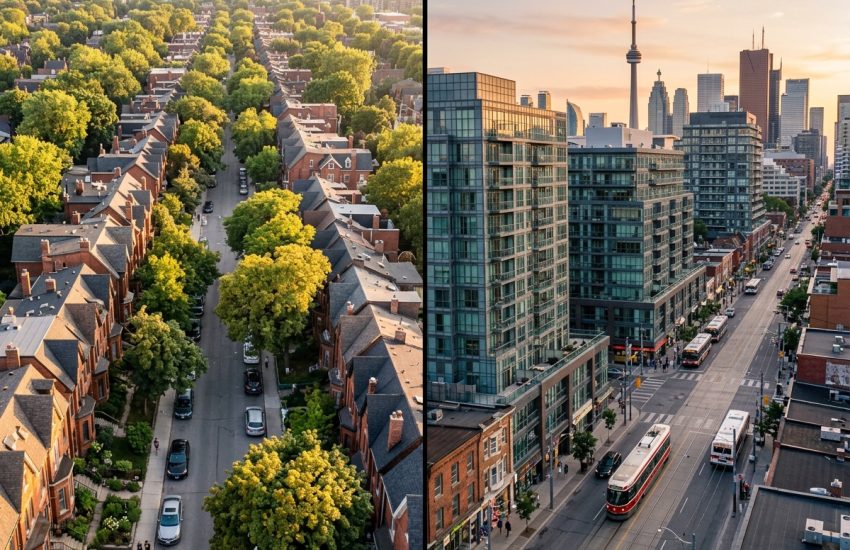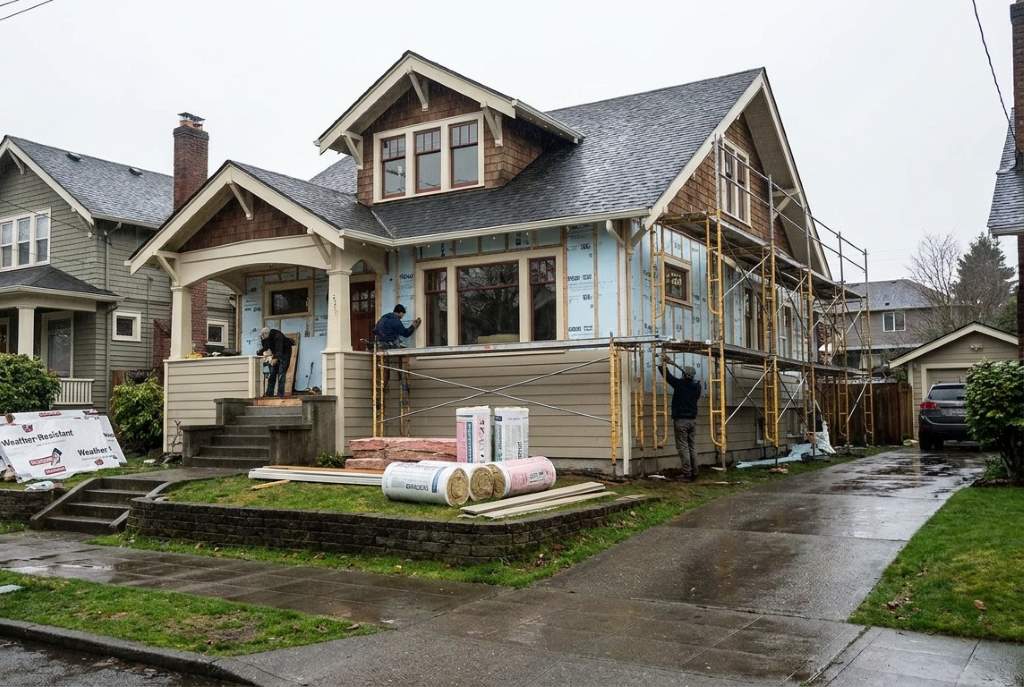
Seattle property owners continue to focus on energy-efficient renovations because utility costs and weather exposure keep rising each year. According to the U.S. Energy Information Administration, heating and cooling account for nearly 52% of residential energy use in American homes. In addition, the Pacific Northwest Climate Impacts Research Consortium reports that wetter winters increase moisture-related building problems across Washington State. Many homeowners now combine siding replacement, insulation improvements, and weatherproofing into one project for better long-term savings. Some also consider exterior wall conversion after window removal to reduce heat loss and improve indoor comfort.
Exterior wall upgrades offer more than visual improvements for Seattle homes and commercial buildings. These projects help reduce air leakage, improve thermal resistance, and protect against heavy rainfall. Property owners also use modern materials that perform better in damp coastal climates. Furthermore, updated exterior walls often increase property value and lower maintenance costs. As a result, energy-efficient wall upgrades have become a practical investment across Seattle neighborhoods.
Why Seattle’s Climate Makes Exterior Wall Efficiency Important
Seattle experiences long rainy seasons, cool temperatures, and frequent moisture exposure throughout the year. Older buildings often struggle with poor insulation and hidden water intrusion behind exterior walls. Consequently, energy bills rise while indoor comfort decreases during colder months. Property owners therefore prioritize durable exterior systems that block moisture and improve thermal performance.
Many local homeowners also research long-term property upgrades before beginning renovation work. Resources like homebuyer decisions in today’s market help people understand how energy-efficient improvements support resale value and future savings. Buyers in Seattle increasingly look for homes with upgraded insulation and weather-resistant exteriors. Because of this trend, wall improvements often provide both immediate and long-term financial benefits.
Choosing High-Performance Insulation Materials
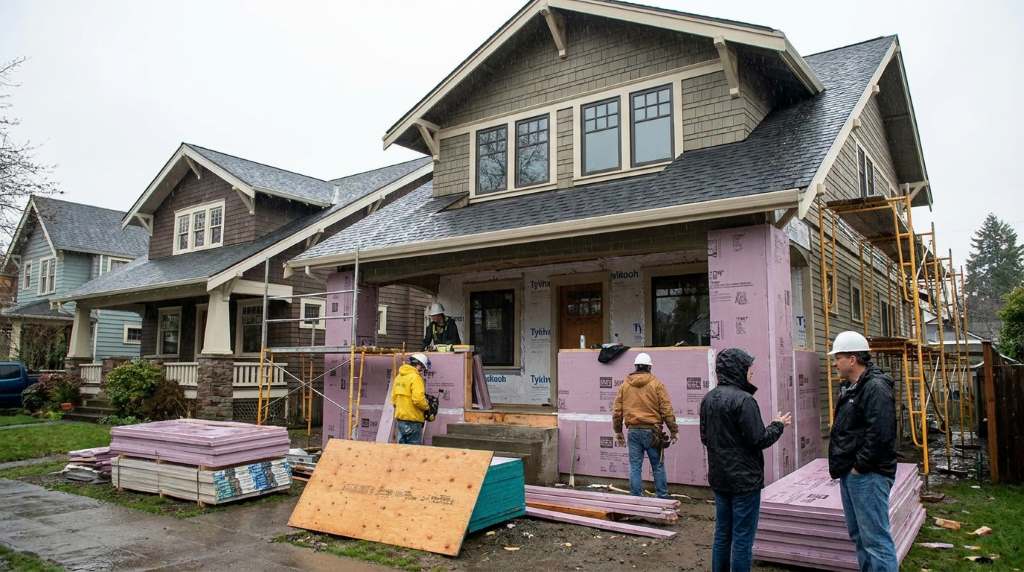
Insulation selection plays a major role in exterior wall efficiency upgrades. Seattle property owners frequently choose rigid foam boards, mineral wool, or spray foam insulation for better thermal resistance. Each material performs differently depending on wall structure and moisture exposure. Therefore, contractors usually recommend systems based on building age and siding type.
Mineral wool has become especially popular in Seattle because it resists moisture and mold growth. Unlike fiberglass batts, mineral wool maintains its insulating ability even in damp conditions. It also improves soundproofing, which benefits homes located near busy streets or commercial areas. In addition, the material offers strong fire resistance for added building safety.
Spray foam insulation also helps property owners seal small gaps and reduce air leaks. This material expands into hard-to-reach spaces around framing and utility openings. As a result, heated indoor air stays inside more effectively during winter. However, professionals must install spray foam carefully to prevent ventilation problems.
Installing Rain Screens for Moisture Control
One uncommon but highly effective strategy in Seattle involves rain screen wall systems. A rain screen creates a small ventilation gap between the siding and wall sheathing. This design allows trapped moisture to escape before it damages insulation or framing. Consequently, walls dry faster after heavy rainfall.
Seattle builders increasingly recommend rain screens because the region receives frequent moisture throughout the year. Traditional siding systems often trap water behind exterior materials for extended periods. Over time, this hidden moisture can lead to mold, rot, and structural weakening. Therefore, rain screens help extend the lifespan of energy-efficient upgrades.
Rain screens also improve thermal performance by reducing moisture buildup inside insulation layers. Wet insulation loses effectiveness and increases heat transfer through exterior walls. By maintaining drier wall cavities, rain screens support more stable indoor temperatures year-round. This method remains underused in many parts of the country despite its proven effectiveness in coastal climates.
Replacing Old Siding With Energy-Efficient Materials
Many Seattle property owners replace outdated siding during exterior wall upgrades. Modern siding products offer better insulation support and stronger resistance to moisture damage. Fiber cement, engineered wood, and insulated vinyl siding remain popular choices throughout the region. These materials also require less maintenance than older wood siding systems.
Proper sealing around siding joints and penetrations improves energy performance significantly. Contractors often combine siding replacement with flashing updates and weather barriers for added protection. Some homeowners also review guides like the role of roof sealant because roof and wall systems work together to prevent water intrusion. Coordinating both upgrades helps improve overall building efficiency and durability.
Fiber cement siding performs especially well in Seattle’s wet climate. It resists moisture, insects, and temperature fluctuations more effectively than traditional wood products. In addition, many manufacturers produce fiber cement with recycled materials for better environmental performance. Consequently, homeowners gain both durability and sustainability advantages.
Improving Air Sealing Around Exterior Walls
Air leakage remains one of the biggest causes of energy waste in older Seattle homes. Small gaps around windows, utility lines, and framing joints allow conditioned air to escape continuously. During exterior wall upgrades, contractors seal these openings using caulk, foam, and weatherproof membranes. As a result, heating systems operate more efficiently throughout winter.
Professional energy audits help identify hidden leakage points before renovation work begins. Many Seattle homeowners use blower door testing to measure air infiltration rates accurately. These tests reveal areas where insulation and sealing improvements provide the greatest impact. Consequently, property owners avoid unnecessary spending on less effective upgrades.
Proper ventilation still matters even after improving air sealing. Tightly sealed buildings can trap humidity and reduce indoor air quality without balanced airflow systems. Therefore, contractors often recommend energy recovery ventilators during major wall renovations. These systems improve ventilation while minimizing heat loss.
Upgrading Exterior Sheathing and Weather Barriers
Exterior sheathing plays a critical role in both insulation support and moisture protection. Older Seattle homes may contain damaged plywood or outdated materials with poor thermal performance. During wall renovations, contractors frequently replace deteriorated sheathing with modern engineered products. This step strengthens the building envelope and improves insulation effectiveness.
Weather-resistant barriers also prevent moisture penetration behind siding systems. Modern house wraps and liquid-applied membranes create stronger seals against rain and wind exposure. Furthermore, these barriers reduce drafts while allowing trapped vapor to escape outward. This balance helps prevent mold growth inside wall cavities.
Some Seattle contractors now use advanced vapor-open membranes for enhanced wall drying. Unlike older plastic barriers, vapor-open systems allow moisture to escape without sacrificing weather protection. This approach works especially well in marine climates where moisture management remains critical year-round. Although less discussed in standard blogs, this technique improves long-term wall durability significantly.
Using Smart Technology During Wall Renovations
Modern energy-efficient upgrades increasingly include smart monitoring technology. Seattle property owners install moisture sensors inside wall assemblies to detect hidden leaks early. These sensors send alerts before water damage spreads into insulation or framing. Consequently, homeowners reduce expensive repair risks after renovation projects.
Thermal imaging also helps contractors evaluate wall performance after installation. Infrared scans identify hidden cold spots, insulation gaps, and air leaks behind finished siding. This technology allows contractors to correct problems before they become serious efficiency issues. Therefore, renovation quality improves substantially compared to older inspection methods.
Some commercial buildings in Seattle now integrate energy monitoring systems into exterior upgrades. These systems track indoor temperature stability and heating efficiency over time. Property managers then adjust maintenance schedules based on real performance data. This data-driven strategy remains uncommon in residential projects but continues gaining popularity.
Benefits of Exterior Wall Upgrades for Seattle Property Owners
Energy-efficient wall improvements provide several financial and comfort-related advantages for Seattle residents. Many homeowners notice lower heating costs within the first winter after renovation. Improved insulation also reduces indoor drafts and temperature fluctuations throughout the home. As a result, living spaces feel more comfortable during colder seasons.
- Lower monthly utility bills
- Improved indoor comfort during winter
- Reduced moisture damage risk
- Better mold prevention
- Higher property resale value
- Less exterior maintenance over time
- Improved sound insulation
Commercial property owners benefit from efficiency upgrades as well. Better-insulated buildings reduce operational costs and improve tenant satisfaction. Additionally, energy-efficient properties often attract environmentally conscious renters and buyers. Therefore, wall upgrades can strengthen long-term investment performance.
Planning Exterior Wall Projects the Right Way
Successful energy-efficient renovations require careful planning before construction begins. Seattle property owners should first schedule professional inspections to identify moisture problems and insulation weaknesses. Contractors can then recommend appropriate materials based on climate exposure and building design. This preparation helps prevent costly mistakes during installation.
Permitting requirements also matter during exterior wall renovations in Seattle. Some projects require approval for insulation changes, structural modifications, or siding replacement. Property owners should work with licensed contractors familiar with local building codes. Doing so helps ensure compliance and smoother project timelines.
Neighborhood style considerations often influence renovation choices as well. Many Seattle communities maintain distinct architectural characteristics that homeowners want to preserve. Helpful resources like choosing the perfect neighborhood can help property owners understand how exterior upgrades align with local housing trends and community aesthetics. Balancing efficiency with neighborhood appeal often improves long-term property value.
Conclusion
Exterior wall upgrades offer Seattle property owners a practical way to improve energy efficiency, reduce moisture risks, and increase property value. Modern insulation systems, rain screens, advanced weather barriers, and smart monitoring tools all contribute to stronger building performance. Seattle’s wet coastal climate makes moisture management especially important during renovation planning. Property owners who invest in high-quality exterior improvements often experience lower utility costs and better indoor comfort for many years. If you plan to upgrade your property, consult experienced local contractors and schedule a professional energy assessment before beginning work.
FAQs
How much energy can exterior wall upgrades save in Seattle?
Most property owners reduce heating and cooling costs by 15% to 30% after proper insulation and air sealing improvements.
What insulation works best for Seattle’s wet climate?
Mineral wool and closed-cell spray foam perform very well because they resist moisture effectively.
Are rain screen systems necessary in Seattle?
Rain screens are highly recommended because they improve moisture drainage and wall ventilation.
Do exterior wall upgrades increase home value?
Yes, energy-efficient upgrades often improve resale value and attract environmentally conscious buyers.
Can older Seattle homes support modern wall insulation?
Most older homes can support upgrades after professional inspections and necessary structural repairs.

You May Like
How to Maintain Trees and Shrubs in Georgia Backyards