Key Takeaways
- Assess your lifestyle and priorities to determine what you need in a neighborhood.
- Research safety, schools, amenities, and future developments to ensure the area aligns with your long-term goals.
- Visit neighborhoods at different times to get a comprehensive understanding of the environment.
Finding the ideal home extends beyond the property itself; the neighborhood significantly influences your overall satisfaction and quality of life. This guide will help you navigate the essential factors to consider when selecting the perfect neighborhood for your new home.
For personalized assistance in your home search, consider consulting the Gaithersburg MD real estate experts Hometown Collection. Led by Jeanette Mitchell, Hometown Collection specializes in building exceptional residences throughout Maryland and Northern Virginia. With a commitment to quality craftsmanship and customer satisfaction, they offer a range of services, including new home construction and personalized design options, ensuring your new home aligns with your lifestyle and preferences.
Assess Your Lifestyle and Priorities
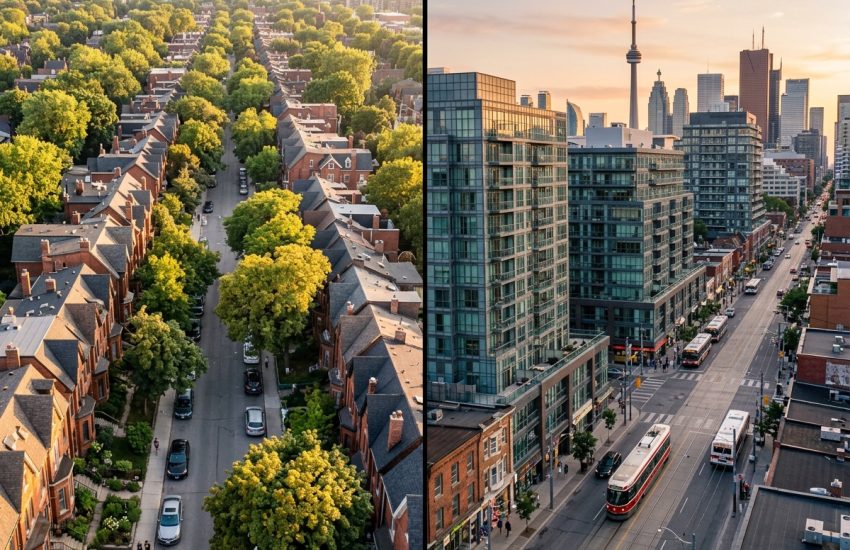
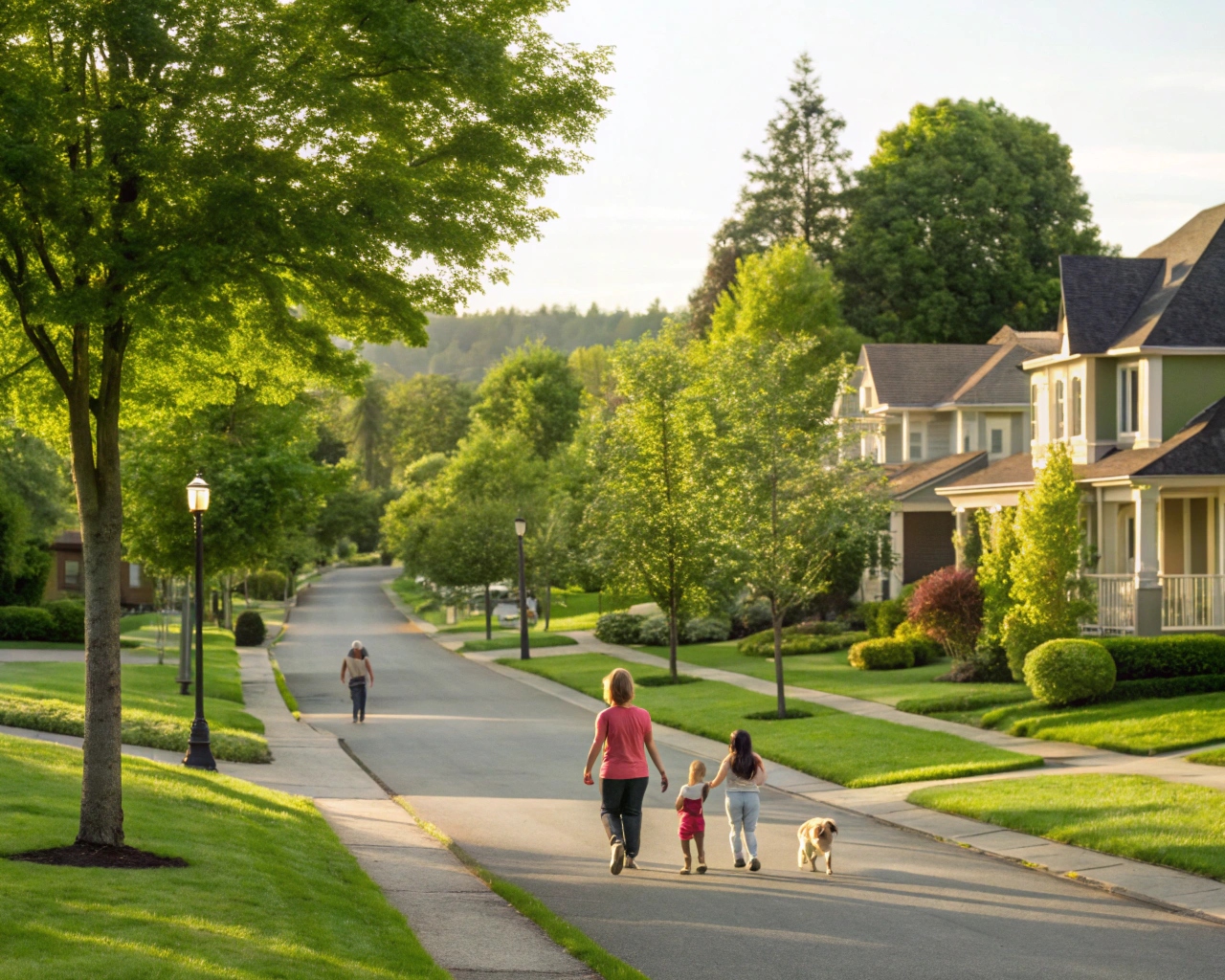
To effectively search for a neighborhood, start by assessing your daily routines, hobbies, and long-term goals. Evaluate factors like work proximity and preferred leisure activities alongside the type of community you desire. Consider questions such as whether you prefer an urban area with nightlife or a quieter suburban environment, and identify essential facilities, such as parks or recreation centers. Family-oriented individuals may prioritize access to playgrounds, while professionals might seek vibrant business districts and easy commutes. Additionally, reflect on your preferred social scene, whether you favor a dynamic atmosphere filled with events or a more tranquil, close-knit community, as you refine your choices.
Evaluate Safety and Crime Rates
Choosing a neighborhood requires careful consideration of safety, which can be assessed through local crime statistics from police reports or credible online sources. Maintaining the area, such as clean streets and well-kept properties, can indicate a strong community spirit. Additionally, the presence of neighborhood watch programs and active community policing serves as a positive sign of safety efforts within the community.

Research Schools and Educational Facilities
For families with children, the quality of local schools is a significant consideration. Investigate school ratings, graduation rates, and extracurricular offerings. Even if you don’t have children, properties in areas with highly rated schools often retain better resale value.
Great schools also serve as community gathering places. Attend an open house or schedule a school tour to meet faculty and staff. Speak with parents in the neighborhood to get an honest perspective on both academic and social life at area schools. Also, check the proximity and reputation of daycare centers, preschools, and other learning opportunities.
Consider Amenities and Services
Access to amenities such as grocery stores, healthcare facilities, parks, and entertainment venues can greatly enhance your living experience. Evaluate the availability and proximity of these services to ensure they align with your lifestyle needs.
Take note of local restaurants, cafés, gyms, and specialty shops; these can add convenience and enjoyment to daily life. Having essential services within short distances can reduce stress and free up time. For added peace of mind, research local hospitals and emergency services, including their ratings and proximity to the area.
Analyze Commute and Transportation Options
Consider the distance and time required to commute to work or other frequently visited places. Assess the availability of public transportation, major highways, and traffic patterns to determine if the neighborhood offers convenient travel options.
If you rely on public transit, investigate nearby bus stops, train stations, or metro lines. For drivers, analyze rush hour patterns and the condition of main roads. Biking and walking infrastructure are increasingly important for many people; safe sidewalks, crosswalks, and bike lanes can make a significant difference in your everyday experience.
Investigate Future Development Plans
Research any planned developments or zoning changes in the area. Future projects can affect property values and the neighborhood’s overall character. Local government websites and planning departments are valuable resources for this information.
Find out about upcoming commercial or residential construction, shopping centers, infrastructure upgrades, or park expansions. Positive developments can enhance your investment, but some changes may also increase traffic or shift the neighborhood’s dynamics. Attend local planning meetings or review city council minutes if you wish to stay fully informed.
Understand Community Culture and Lifestyle
The social environment of a neighborhood contributes significantly to your overall satisfaction. Attend local events, visit community centers, and speak with residents to gauge the community’s culture and whether it aligns with your preferences.
Look for evidence of community activities, holiday celebrations, farmers’ markets, book clubs, or cultural festivals. Not only do these events foster a sense of belonging, but they also give you insight into the neighborhood’s values and vibrancy. Online forums or local social media groups can provide additional perspectives on neighborhood dynamics and resident engagement.
Visit and Experience the Neighborhood
Finally, spend time in the neighborhood at various times of day and throughout the week. This firsthand experience will provide a comprehensive understanding of the area’s dynamics, noise levels, and overall suitability for your lifestyle.
Go for a walk, shop at local stores, or dine at a neighborhood restaurant to interact with residents and observe daily life. Consider details such as street lighting, parking availability, and the general feel of sidewalks and parks. Weekend and evening visits can reveal a different side of the neighborhood from what you might see during typical work hours.
Making Your Final Decision
When deciding on a neighborhood, compile a list of pros and cons for each option and critically assess which factors are essential versus flexible. Revisit your priorities and lifestyle checklist to evaluate how each neighborhood aligns with your needs. Seeking advice from real estate professionals or current residents can provide valuable insights. By carefully weighing these considerations, you can make a well-informed choice that enhances your quality of life. An ideal neighborhood should not only be convenient and safe but should also foster a sense of community, offer good amenities, and enable personal growth. Thorough research and practical experience will empower you to find the best location for your new home.
Conclusion
Choosing the right neighborhood involves aligning it with your lifestyle and long-term goals, considering safety, schools, amenities, transportation, and future development. Experiencing neighborhoods firsthand helps assess atmosphere, culture, and pace, confirming if they meet expectations. Combining research, evaluation, and personal visits helps you select a community that supports your needs, comfort, and sense of belonging for years.

You May Like

How to Maintain Trees and Shrubs in Georgia Backyards