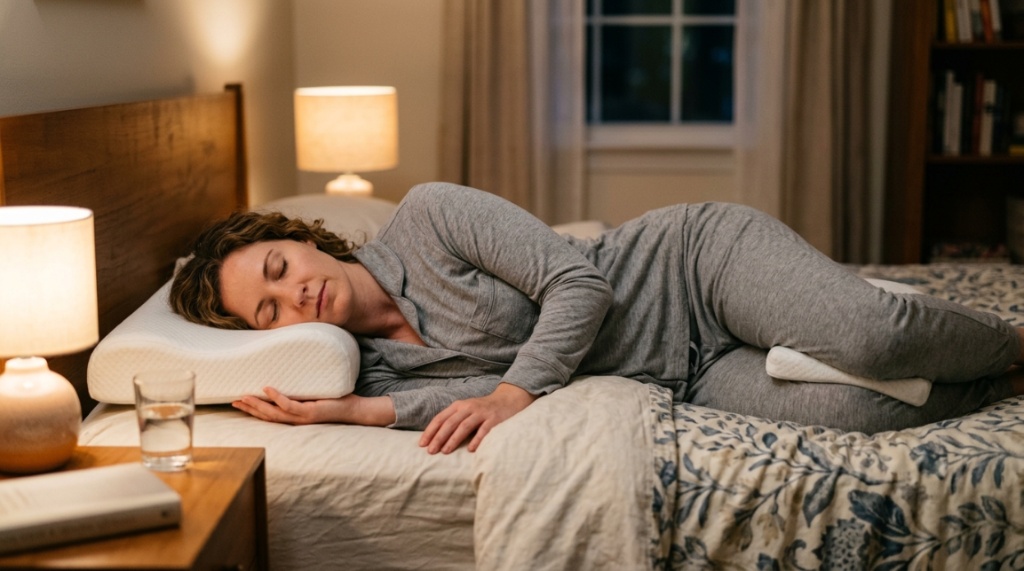
If you’re tired of waking up groggy, with a sore throat, or hearing complaints from your partner, you’re likely dealing with the disruptive cycle of snoring. It’s a frustrating problem that impacts your sleep quality and your relationship. The culprit often isn’t just anatomy—it’s your sleep setup. Choosing the right sleep gear, specifically the best pillow for snoring, can dramatically improve airflow and keep your airway open. But with countless options on the market, how do you know which one actually works? This guide breaks down the science of sleep positioning, the materials that matter, and the specific features to look for in 2026 to help you (and your partner) finally get a quiet, restful night.
Why Does Your Pillow Cause Snoring in the First Place?
Your pillow acts as the foundation for your head and neck alignment. If it elevates you incorrectly or allows your head to fall backward, it can narrow your airway, which creates the vibration we know as snoring. The wrong pillow can literally be the difference between a silent night and a noisy one.
The Biomechanics of a Blocked Airway
When you sleep on your back with a pillow that is too thick, your head is pushed forward, kinking the windpipe. Conversely, a pillow that is too flat allows your head to tilt back, causing the tongue and soft palate to collapse into the airway. A proper pillow supports the natural curvature of the cervical spine, keeping the ear, shoulder, and hip aligned.
How Sleeping Position Interacts with Your Pillow
Your dominant sleep position dictates your pillow needs. Stomach sleepers need very thin options or none at all to avoid neck strain. Back sleepers typically benefit from a medium loft with a cervical contour, while side sleepers require a higher loft to fill the space between the shoulder and head, ensuring the spine remains neutral.
The Difference Between ‘Soft’ and ‘Supportive’
Many confuse a plush feel with adequate support. A soft pillow may feel luxurious but offers zero resistance to keep your head from sinking into a poor position. Supportive pillows are designed to push back slightly, holding your head in a specific posture that maximizes airway diameter.
What Is the Ideal Loft Height for Snoring Prevention?
The ideal loft, or thickness, is one that keeps your head aligned with your spine. A simple rule is that the ear should align with the shoulder. If your ear is below your shoulder, the pillow is too flat; if it’s above, the pillow is too tall.
Finding Your Perfect Pillow Thickness
To test this at home, place your hand under your head as you lie on your side. If you have to tilt your head up to keep it level, your pillow is too high. If you feel strain in the neck, it’s too low. In 2026, many manufacturers offer lofts ranging from 3 inches to 6 inches specifically to cater to snorers.
Why Contoured Pillows Are Often the Best Choice
Contoured pillows feature a raised “cervical cradle” that fills the gap under your neck, while the deeper well under your head gently keeps the skull positioned. This design prevents the “chin tuck” that collapses the airway, making it a top recommendation by sleep therapists for snoring relief.
Adjustable Loft Options for Customization
If you aren’t sure what loft you need, consider an adjustable pillow. These are filled with shredded memory foam or latex that you can add or remove. This is one of the most reliable methods to dial in the exact height required to keep your jaw forward and your airway open.
Which Pillow Materials Are Best for Airflow?
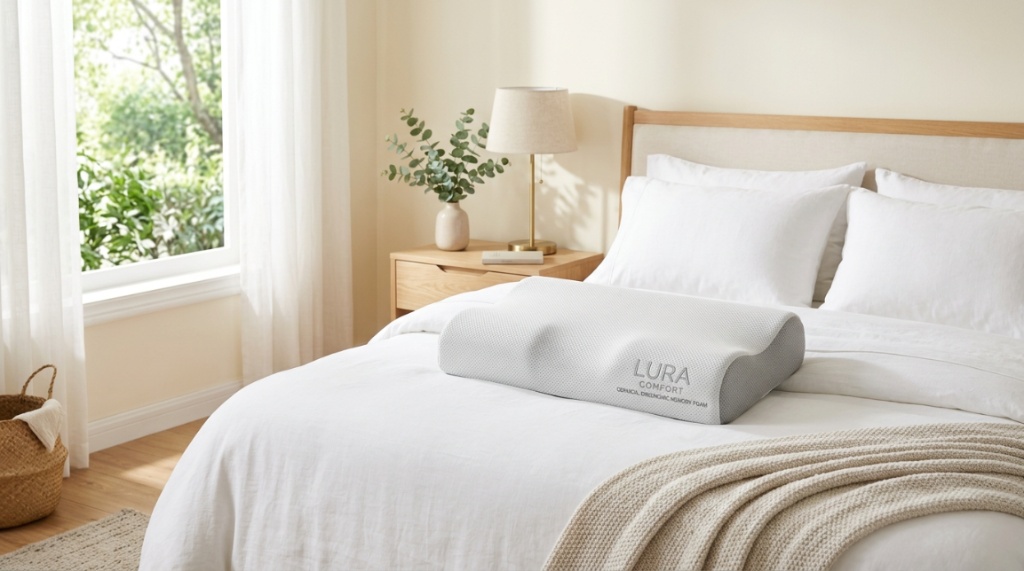
Materials that retain heat can cause you to toss and turn, disrupting sleep and potentially exacerbating snoring. Cooler materials keep you still, allowing your muscles to relax in a supported position. The density and responsiveness also dictate how well the pillow supports the neck.
Memory Foam vs. Latex
Traditional memory foam offers excellent contouring but can be heavy and hot. Latex is naturally more breathable and bouncier, providing similar support. Shredded memory foam offers a hybrid of both—it contours but allows for air pockets. For snoring, latex is often superior due to its “pushback” that keeps the neck from sinking too deep.
The Benefits of Cooling Gel and Phase-Change Materials
If you opt for foam, look for infused cooling gels or phase-change materials that actively wick heat away. A cool head reduces the likelihood of sleep-stage changes that lead to lighter sleep and increased snoring intensity. A localized cool pillow surface also reduces facial pressure.
Why Buckwheat and Microbeads Are Returning
Buckwheat hull pillows are highly rigid and offer the absolute best airflow since the hulls move slightly to fit your shape while not retaining heat. Microbead pillows are similar but lighter. These materials provide significant resistance, which is excellent for maintaining a patent airway throughout the night.
How Does Pillow Shape Affect Snoring?
Square standard pillows are often the enemy of a sleeper who moves during the night. If you roll from your back to your side, the uniform shape offers no adaptive support. Specialized shapes are engineered to hold your neck in the “snore-safe” zone regardless of position.
Cervical Pillows and the ‘Neck Cradle’ Design
Cervical pillows have a scooped-out center and a raised lip. This creates a secure cradle that prevents your head from rolling side to side. This stabilization reduces the chance of your tongue falling backward, which is the primary cause of obstructive snoring.
Wedge Pillows for Elevation
A wedge pillow raises your entire upper body, not just your head. This elevation uses gravity to keep the airway open and is often recommended for those with positional sleep apnea. While effective, they take time to adjust to and significantly change the feel of your bed.
Positional Pillows for Side Sleepers
Full-body pillows (or maternity pillows) encourage you to stay on your side. By placing one between your knees and hugging another, you biologically prevent rolling onto your back, which is the most common snoring position. This is a practical, chemical-free solution.
Is There a Specific Pillow for Sleep Apnea?
While a pillow cannot cure sleep apnea (a medical condition), the right one can notably reduce symptoms, especially if you have mild or positional apnea. These specialized pillows are designed to work alongside CPAP machines or improve airway mechanics naturally.
CPAP-Friendly Pillows vs. Anti-Snoring Pillows
Anti-snoring pillows often have cutouts at the corners, allowing you to sleep on your side without needing to stack multiple regular pillows. CPAP pillows, however, feature face cutouts that accommodate the mask, preventing leaks and reducing strap pressure. Ensure you know which specific issue you are solving.
Why ‘Anti-Snoring’ Claims Vary Widely
Be cautious of gimmicks. A pillow that simply raises your head may not be effective. The best data in 2026 supports pillows that increase the *cross-sectional area* of the upper airway, which is achieved through cervical extension, not just elevation. Look for pillows that support the jaw slightly forward.
When to Consult a Specialist
If you gasp for air at night or feel excessively tired during the day, you may have Sleep Apnea. A pillow is not a replacement for a CPAP machine or oral appliance. However, using the right pillow can improve your compliance with the machine and reduce the pressure settings needed.
How to Test a Pillow for Snoring Relief at Home
You don’t need a sleep lab to test a pillow—you just need a 15-minute session. The ‘wait test’ is crucial. Lie on the pillow in your preferred sleep position for at least ten minutes, simulating your usual pre-sleep routine like reading or watching TV, to see if you feel any pressure points.
The 5-Minute Neck Test
Place the pillow on your bed. Lie down. Have a partner or friend look at your posture from the top of your head. Your forehead should be parallel to the ceiling, and your chin should not be tucked inward. If they see a “double chin” effect, the pillow is too high.
Reading the ‘Drool Test’ (Humidity Check)
While this sounds humorous, it’s relevant. If you wake up with a dry mouth or find yourself drooling, it indicates your mouth is falling open during the night, which often leads to snoring. A good pillow keeps your lips lightly closed by supporting the jaw, reducing mouth breathing.
Questions to Ask Yourself the Next Morning
- Did I wake up with a headache or jaw pain?
- Did I toss and turn less than usual?
- Did my partner report a quieter night?
If you answered “yes” to the first question, the pillow is misaligned. If “yes” to the last two, you’ve found a winner. Sleeping well is more than just comfort; it’s about maintaining the correct posture tirelessly,
If you are looking for options that keep you cool throughout the night while supporting different sleep positions, check out our guide on Best Cooling Pillows for Combination Sleepers Compared.
Top Features to Look for in a 2026 Snore-Relief Pillow
The market has evolved, and 2026 brings advanced textiles and adaptive foams. You want a pillow that is more than just a cushion; think of it as a precision tool for airway management. Key features include washable covers and durable cores.
Moisture-Wicking and Hypoallergenic Covers
Dust mites and allergens are common triggers for nasal congestion, which exacerbates snoring. A tightly woven, hypoallergenic cover prevents allergens from accumulating. A bamboo or Tencel cover adds moisture-wicking properties that keep skin dry and cool.
Zoned Support Systems
The next generation of pillows features zones: a firm zone for the neck, a softer zone for the head, and a specialized contour for the shoulders. This zoned support ensures that the heavier weight of the neck is met with higher resistance to keep the airway spacious.
Warranty and Trial Periods
Because sleep preferences are personal, consider only brands that offer a 100-night trial and a warranty. This allows you to test the pillow against your specific snoring patterns without financial risk. A company that offers a 3-year warranty is confident in its product durability, which is a good sign of quality.
Finding the right balance is essential. For a detailed guide on the top models and specific medical-grade options, exploring a comprehensive resource like this best pillow for snoring guide can give you an edge on advanced solutions.
Can a Pillow Alone Stop Snoring Immediately?
No, a pillow is not a magic bullet for 100% of snorers, but it is the first line of defense. For many, switching from a thick, soft pillow to a supportive cervical one reduces snoring volume by up to 50% in the first night. It’s a powerful tool, not a cure.
Combining Pillows with Lifestyle Changes
The most effective protocols combine the right pillow with hydration and positional training. Alcohol relaxes the throat muscles, so avoiding it 4 hours before bed multiplies the effectiveness of your new pillow. Weight loss also reduces fatty tissue around the neck, shrinking the airway.
The Role of Nasal Strips and Humidifiers
If you have a deviated septum or congestion, a pillow won’t fix that. Use saline sprays or nasal strips to open the nasal passages. A humidifier in your bedroom adds moisture to the air, which prevents the throat from drying out and becoming sticky, a trigger for loud snoring.
Tracking Your Progress Over 30 Days
Don’t judge the pillow after just one night. Use a sleep tracking app to log your snoring intensity. Most users see the best results after a week of adaptation as their neck muscles learn to stay relaxed in the new neutral position. Consistency is the key to success.
Frequently Asked Questions
What is the best pillow material to stop snoring?
Latex and shredded memory foam are generally the best materials. They offer firm support to keep the head aligned while providing enough contour to fill the neck gap, preventing airway collapse better than soft down or flat fiberfill.
How high should my pillow be if I snore?
Your pillow should be high enough to fill the distance between your shoulder and ear (3.5 to 5 inches for most side sleepers). For back sleepers, it should be lower (4 to 5 inches) to maintain a neutral chin position without tilting the forehead down.
Does sleeping on your side with a special pillow help snoring?
Yes, side sleeping is the most effective position to reduce snoring. A firm, high-loft pillow prevents your head from rolling backward and supports the jaw. A full-body positional pillow can also prevent you from rolling onto your back during the night.
Are wedge pillows good for sleep apnea and snoring?
Wedge pillows can help with acid reflux and mild snoring by elevating the upper body. However, they are less effective for sleep apnea than contoured cervical pillows, as they can sometimes cause you to slip into a poor neck angle if not properly used.
Is it safe to use a memory foam pillow with a CPAP machine?
Yes, but you need a CPAP-specific pillow with cutouts to accommodate the mask. Standard memory foam pillows can push the mask off your face, causing leaks. CPAP pillows are designed to hold the mask in place while maintaining neck support.
What is the difference between an anti-snoring pillow and a regular one?
An anti-snoring pillow features a contoured design, a neck cradle, or an adjustable loft that remains rigid. A regular pillow doesn’t provide the specific positioning needed to keep the airway open. Anti-snoring variants are engineered to reduce airway resistance.
When should I replace my anti-snoring pillow?
Replace your pillow every 12 to 18 months, even if it looks fine. Over time, dust mites accumulate and the core loses its firmness, reducing its lifting support. If you notice the pillow no longer bounces back or you feel the bottom of the bed, replace it immediately.
Conclusion
Choosing the right pillow for snoring is about more than just buying the fluffiest option on the shelf; it’s about understanding your sleep mechanics and neck alignment. By focusing on loft, material firmness (like latex or adjustable foam), and specialized shapes such as cervical contours, you can significantly improve your breathing and sleep quality. Remember, the goal is to keep your airway open and your neck neutral—this is what truly separates a good pillow from a great one.
Start by testing your current sleeping position and identify your primary issues. Whether you need a CPAP-friendly pillow or simply want to stop waking up with a dry throat, the solution is within reach. Consider the advanced designs available today that prioritize airflow and support. Make the change tonight, and give both you and your partner the gift of a quiet, healthy sleep environment.

You May Like