You are staring at a wall of kettles, price tags ranging from $15 to $150, and you just want something that boils water fast without breaking next month. The struggle is real.
Finding the best affordable electric kettle means balancing speed, safety, durability, and price. Many cheap options fail within six months, but the right budget-friendly model can last for years. This guide cuts through the noise, helping you identify the features that matter and avoid the gimmicks that waste your money. Whether you need a kettle for morning tea, pour-over coffee, or instant noodles, you will leave with a clear buying decision.
What Defines an Affordable Electric Kettle Without Sacrificing Quality?
An affordable electric kettle costs between $15 and $40 and still delivers rapid boiling, automatic shut-off, and a durable build. The key is knowing which corners manufacturers cut and which features are non-negotiable. A quality budget kettle uses 1500 watts of power, a stainless steel or BPA-free plastic body, and a simple on-off switch. Avoid kettles that skip the boil-dry protection—this safety feature prevents fire if you forget to add water. Brands like Hamilton Beach, Mueller, and Chefman prove you can get a 3–4 year lifespan without spending over $40. The trick lies in ignoring fancy LED displays and focusing on core mechanics.
Materials Matter More Than Price
Stainless steel kettles last longer and resist lingering odors, but they cost slightly more. Glass kettles look beautiful and let you see the boiling action, but they are fragile. Plastic kettles are the cheapest, but they can absorb flavors over time and may leach chemicals if not BPA-free. For the best affordable electric kettle, prioritize stainless steel or high-quality Tritan plastic. Check the product description for “food-grade” and “BPA-free” labels before purchasing.
Why Should You Prioritize Speed and Wattage in a Budget Kettle?
Wattage determines how fast your water boils. Budget kettles with 1500 watts will boil one cup of water in about 60–70 seconds and a full 1.7-liter pot in 4–5 minutes. Lower wattage models (1200W or less) save a few dollars but take agonizingly long. Speed matters because the whole point of an electric kettle is convenience. If you are rushing to work in the morning, a slow kettle defeats the purpose. Always look for 1500W as the baseline. Some ultra-budget plastic kettles drop to 1000W—avoid those. A fast boil not only saves time but also uses slightly less energy overall.
Hidden Costs of Slow Kettles
Running a 1000W kettle for 7 minutes uses roughly the same electricity as a 1500W kettle running for 4.5 minutes. But the wasted time adds up, especially if you boil multiple times daily. Over a year, the difference is about 8–10 hours of wait time. Paying $2 extra upfront for higher wattage is a no-brainer.
Which Safety Features Are Non-Negotiable on a Budget Kettle?
Automatic shut-off and boil-dry protection are mandatory on every best affordable electric kettle we recommend. Automatic shut-off cuts power once water reaches a rolling boil, preventing steam damage to your countertop. Boil-dry protection detects when the kettle is empty and shuts it down before the heating element melts. A budget kettle without these features is simply unsafe. Also check for a cool-touch handle—many cheap kettles use thin plastic handles that get uncomfortably hot. A sturdy, ergonomic handle with heat insulation makes a massive difference in daily use. Finally, look for a cordless base with a 360-degree rotation. This allows you to grab the kettle from any angle, which is especially useful if you are left-handed or your kitchen outlets are awkwardly placed.
How Do You Choose Between a Stainless Steel, Glass, or Plastic Body?
Your choice between stainless steel, glass, and plastic depends on your priorities for durability, visibility, and taste purity. Stainless steel wins for longevity: it resists dents, retains heat well, and never imparts a plastic taste. Glass kettles look elegant and let you monitor the water level, but they are prone to cracking if dropped or exposed to sudden temperature changes. Plastic kettles are the lightest and cheapest, but they can develop a stale odor after months of use. For the best affordable electric kettle under $30, a brushed stainless steel model with a plastic lid is the sweet spot—you get metal durability with lower manufacturing costs.
| Material | Price Range | Durability | Taste Impact | Best For |
|---|---|---|---|---|
| Stainless Steel | $25–$40 | High (3–5 years) | Neutral | Tea, coffee, daily use |
| Glass | $20–$35 | Medium (1–2 years) | Neutral | Aesthetics, watching boil |
| Plastic | $15–$25 | Low (1–2 years) | Possible aftertaste | Dorm rooms, occasional use |
Can a Cheap Electric Kettle Be Energy Efficient?
Yes, an affordable electric kettle is actually one of the most energy-efficient ways to boil water—even budget models. Electric kettles convert about 80% of their energy into heat, compared to a stovetop kettle which only manages around 30–40%. Budget kettles with 1500W heating elements boil water faster, meaning less energy wasted heating the metal body or the surrounding air. The key is to boil only the water you need. Most budget kettles have clear water level markings outside (or inside in glass models) so you can measure exactly one cup instead of filling the whole 1.7-liter capacity. This simple habit can cut your energy usage by half compared to boiling a full pot for a single cup of tea.
Which Budget Kettle Brands Actually Deliver on Durability?
Hamilton Beach, Mueller, Chefman, and Ovente consistently produce durable kettles in the $18–$35 range. These brands focus on core functionality without adding flimsy electronics that fail. Hamilton Beach is known for its cool-touch exterior and sturdy bases. Mueller makes a popular 1.7-liter stainless steel model with a simple one-touch operation that lasts for years. Chefman offers glass kettles with blue LED lights for visibility, though the glass is slightly thinner. Avoid generic no-brand kettles sold on marketplaces for under $12—they often use thin metal, poor seals, and unsafe plastics. Investing an extra $10 will roughly triple the lifespan of your kettle.
What to Look for in Reviews
- Look for reviews after 6+ months of use—many failures happen after the return window.
- Check for complaints about a metallic taste in water (usually due to cheap stainless steel).
- Watch for mentions of lid hinge breakage—this is the most common failure point on budget kettles.
- Ignore complaints about noise—electric kettles naturally rumble; it is not a defect.
How Do You Maintain an Affordable Electric Kettle to Extend Its Life?
Descaling your kettle every 4–6 weeks is the single most important maintenance step for a budget kettle. Hard water minerals build up on the heating element, reducing efficiency and eventually causing overheating. To descale, fill the kettle halfway with equal parts water and white vinegar, boil it, and let it sit for 15 minutes. Rinse thoroughly three times with fresh water. Do not use abrasive cleaners or metal scrubbers—they scratch the interior, creating crevices for bacteria and causing rust on exposed metal. Wipe the exterior with a damp cloth only. Never submerge the base in water. Following this routine can extend a budget kettle from a 1-year lifespan to 3+ years.
Is a Gooseneck Kettle Worth the Extra Money for a Budget Shopper?
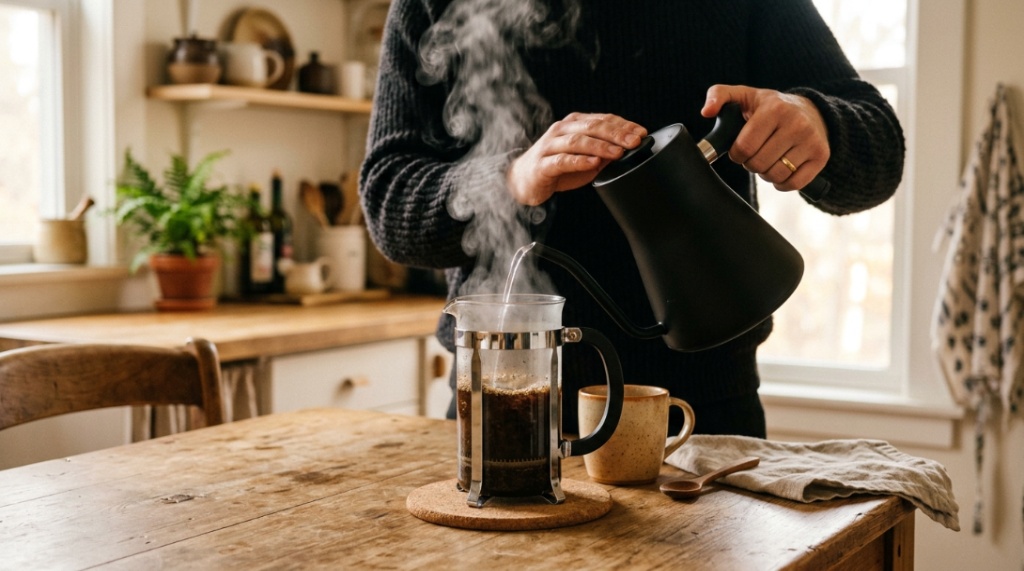
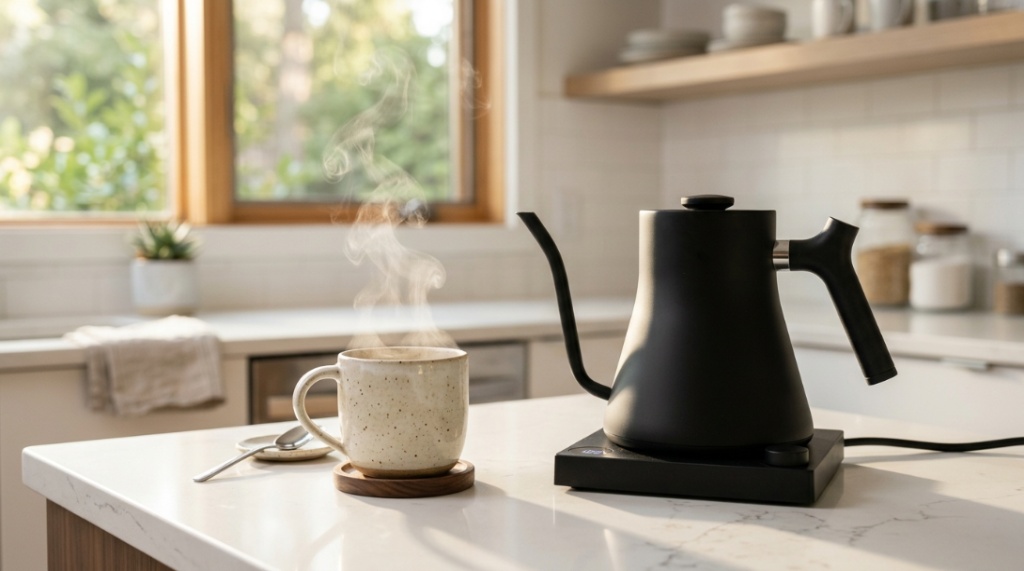
A gooseneck kettle costs $30–$50 and is only worth the extra money if you regularly brew pour-over coffee. The narrow spout gives you precise control over water flow, which is critical for evenly saturating coffee grounds. For standard tea, instant coffee, oatmeal, or boiling pasta water, a standard spout kettle is perfectly fine and often cheaper. If you are a casual coffee drinker who uses a standard drip machine, you do not need a gooseneck. Stick with a classic spout model and save $10–$15. However, if you are committed to pour-over brewing, then a gooseneck kettle—even a budget one from brands like Mr. Coffee—will improve your daily coffee quality noticeably.
Which Features Are Genuinely Useful and Which Are Gimmicks?
Focus on features that improve everyday safety and convenience, not those that add cost without benefit. Useful features include a cordless 360-degree base, a transparent water window, a one-touch button with an LED indicator, and a concealed heating element (easier to clean). Gimmicks to ignore include touchscreen controls (fail quickly), color-changing LEDs (no functional purpose), smartphone app connectivity (pointless for a kettle), and temperature presets (unnecessary unless you brew specialty teas requiring specific temps). The best affordable electric kettle will have exactly 1 button: on/off. Everything else should be built into the physical design, not driven by fragile electronics.
Quick Feature Checklist
- ✔ 1500W minimum power
- ✔ Automatic shut-off and boil-dry protection
- ✔ Cordless 360-degree base
- ✔ Clear water level indicator
- ✔ Concealed heating element
- ✘ Avoid: touch controls, app connectivity, color-changing lights
How Much Should You Spend to Get a Reliable Electric Kettle?
Spending between $20 and $35 is the sweet spot for a reliable electric kettle that lasts 3–4 years. Below $20, you start risking poor materials, weak hinges, and inconsistent heating. Above $40, you enter the premium zone where you pay for design, brand prestige, or extra features you likely do not need. A $25 stainless steel kettle from a reputable brand is the most cost-effective purchase. It will perform identically to a $80 model for boiling water—the cheaper one just feels slightly lighter and has a simpler switch. Prioritize function over form. Your budget is best invested in a kettle with strong wattage, safe materials, and a durable build, not shiny aesthetics.
When setting up a new kitchen, finding the best affordable electric kettle for your home is a quick way to make your morning routine seamless. However, getting your appliances to your new place safely requires a bit of prep. If you’re currently in the middle of a transition, check out our guide on Planning your Packing to Make Your House Move Easier to protect your kitchen gadgets during the trip.
Frequently Asked Questions
Can I leave water in my electric kettle overnight?
It is better to empty your kettle after each use. Stagnant water can develop a stale taste and allow mineral buildup to accelerate. If you must leave water in, use filtered water and empty it within 24 hours.
Why does my new kettle have a plastic smell?
New kettles often have a “factory” smell, especially plastic models. Fill the kettle with a mixture of water and lemon juice or baking soda, boil it, let it sit for 15 minutes, and rinse thoroughly. Repeat if needed. This usually resolves the odor completely.
How often should I replace my electric kettle?
Replace your kettle every 3–5 years, or sooner if you notice rust, a persistent metallic taste, electrical sparking from the base, or the kettle not shutting off automatically. A budget kettle that is well-maintained can last 3 years on average.
Is it safe to boil milk in an electric kettle?
No. Electric kettles are designed for water only. Milk burns easily, creates a hard-to-clean residue, and can damage the heating element or clog the spout. Use a dedicated saucepan or a milk frother for heating milk.
Do I need a temperature-controlled kettle for green tea?
Not unless you are a serious tea enthusiast. Green tea is best brewed at 170°F–180°F, but you can easily achieve this by letting your boiled kettle rest for 2–3 minutes before pouring. A temperature control feature adds $15–$20 to the price, which is not worth it for most budget shoppers.
What is the best way to clean a stainless steel kettle exterior?
Use a soft damp cloth with a drop of mild dish soap. Dry immediately with a microfiber cloth to prevent water spots. For stubborn mineral stains, wipe with a cloth dipped in diluted vinegar and rinse with clean water. Never use abrasive scouring pads.
Can a budget kettle handle daily use for a family of four?
Absolutely. A 1.7-liter kettle boils enough water for four cups of tea or a full pasta pot. Budget kettles with 1500W power and a stainless steel body can handle 6–8 boils per day for years. Just remember to descale it monthly if you have hard water.
Conclusion
Choosing the best affordable electric kettle boils down to ignoring marketing fluff and focusing on three things: 1500 watts of power, stainless steel or BPA-free plastic body, and non-negotiable safety features like automatic shut-off. You do not need to spend more than $35 to get a kettle that will serve your family reliably for years. Start your search by identifying your primary use—standard tea drinkers can pick any solid stainless steel model, while pour-over coffee lovers should consider a gooseneck shape. Avoid ultra-cheap no-name kettles, commit to simple maintenance with regular descaling, and you will enjoy fast, safe boiling every single day. Now is the time to upgrade your kitchen routine—get a kettle that earns its keep without emptying your wallet.

You May Like
How to Improve Back Comfort with Your Office Chair in WA