
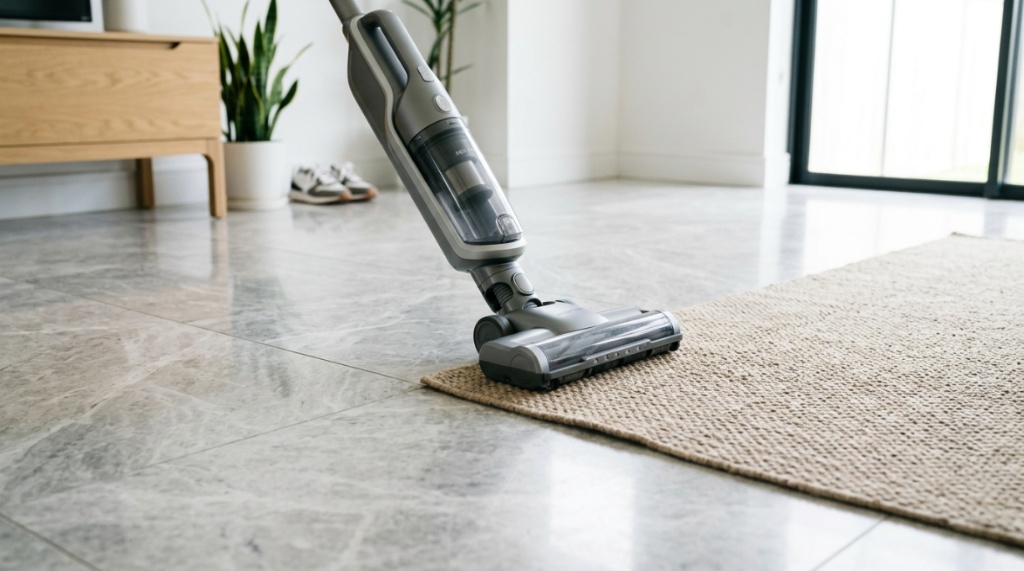
The moment you finish mopping, the streaks appear. You wipe again, but the shine just isn’t there. If your floors look worse after cleaning than before, you are not alone. Many homeowners struggle with residue, dullness, and missed spots. The solution lies in mastering your machine and choosing the right formula. A truly spotless Shark’s floor cleaner routine does not require expensive products or endless scrubbing—it requires the right technique. In this guide, you will learn exactly how to transform your floors from drab to dazzling using your Shark mop, without the frustration.
What Makes a Shark Floor Cleaner Effective for Spotless Results?
Understanding the Technology Behind the Shine
Shark floor cleaners are engineered with two key technologies: the cleaning solution dispersal system and the microfiber pad absorption. Unlike traditional mops that push dirty water around, Shark mops release a fine mist of cleaning solution, then immediately wipe it up with a high-absorption pad. This prevents the gray, streaky residue that plagues bucket-and-mop users. The secret is that the solution stays on the floor just long enough to break down grime, but not so long that it dries into a film.
The Role of the Correct Cleaning Solution
Using the wrong solution is the number one cause of streaky floors. Shark recommends its own solvent-free formulas because they are designed to evaporate quickly without leaving soap scum. If you use a generic brand with high sudsing agents, your pads will oversaturate, and the excess soap will dry into a visible haze. A spotless Shark floor cleaner operates on the principle that less solution and more consistent pad contact create the best finish.
Why Pad Type Matters for a Streak-Free Finish
Shark offers two types of pads: washable microfiber and disposable. For the best shine, washable microfiber pads are superior. They have deeper fibers that trap dirt particles and hold more water, allowing for a more even wipe. Disposable pads are convenient but often lack the absorbency needed for a truly dry, spotless finish. Always wash new microfiber pads three times before first use to remove factory residue that can cause streaking.
Why Do My Shark Cleaner Floors Look Dull or Streaky?
You Are Using Too Much Solution
This is the most common mistake. Most Shark mop models have a trigger that controls the spray. A light mist is usually sufficient for a 10×10-foot area. Pressing the trigger multiple times saturates the pad completely. When the pad is too wet, it leaves a trail of liquid that takes too long to dry, trapping dust and creating visible lines. The solution should barely be visible on the floor before the pad passes over it.
Your Pad Is Dirty or Oversaturated
A clean pad is non-negotiable. If you clean your entire house without switching pads, you are essentially smearing dirt and old solution back onto the floor. For a spotless finish, flip or replace the pad every two rooms. An oversaturated pad cannot absorb new dirty water; it just pushes it around. The pad should be damp, not dripping. Wringing out a washable pad before attaching it helps ensure the moisture level is correct.
You Are Cleaning in the Wrong Pattern
Cleaning in circles or random paths creates uneven overlap and visible edges. Always clean in straight, parallel lines from the furthest corner of the room toward the exit. Overlap each pass by about one inch to avoid missed strips. This technique ensures consistent solution distribution and prevents the drying lines that happen when you go back over semi-wet areas.
How to Prepare Your Floors for a Spotless Shark Cleaner Pass

Remove All Dry Debris First
Your Shark mop is not a vacuum. Running it over crumbs, pet hair, or sand will only push those particles around. Worse, sharp debris can scratch the pad and your floor finish. Always sweep, vacuum, or use a dust mop before wet cleaning. This single step doubles the life of your pad and prevents the gritty feeling that appears once the floor dries.
Check the Floor Type and Set Your Settings
Shark mops have different settings for hard floors, laminate, and tile. Using the hard floor setting on laminate can deliver too much water, causing warping. For sealed hardwood, use the bare floor setting and ensure the pad is only slightly damp. For tile or stone, you can use a wetter setting. Mismatching these settings leads to either poor cleaning or damage, both of which result in an unsatisfactory finish.
Spot Treat Sticky or Dried-On Messes
Your Shark mop is excellent for general maintenance but struggles with dried jelly, glue, or kitchen grease. Pre-treat these spots with a damp cloth or a tiny spritz of solution and a brief wait. Let the solution sit for 30–60 seconds, then wipe the spot manually. Once the residue is gone, run the mop over the area. Attempting to power through dried messes only pushes the stain outward and leaves a noticeable mark.
Which Shark Mop Model Delivers the Most Spotless Floors?
Shark VACMOP vs. Shark Steam Mop vs. Shark Rocket
| Model Type | Best For | Potential Streak Risk |
|---|---|---|
| Shark VACMOP | Quick clean-ups and dry debris | Low – uses disposable pads with integrated solution |
| Shark Steam Mop | Sanitizing tile and grout | Medium – requires distilled water to avoid mineral residue |
| Shark Rocket | Deep cleaning large areas | Low-spray and wipe system with wide pad coverage |
The Shark Rocket series generally offers the best balance of solution control and pad quality for a streak-free finish. Its wide cleaning head covers more ground evenly, and the trigger mechanism allows for precise mist control.
Why the Shark S1000 Series Stands Out
The S1000 and its newer iterations feature a “SmartClean” system that adjusts water flow based on the pad type detected. It also has a self-cleaning function that flushes the nozzles, preventing clogging. Clogged nozzles result in uneven spray patterns, which directly cause streaks. If you are buying a new model specifically for a spotless finish, look for models with adjustable flow and a large-capacity water tank to reduce refills.
Can You Use Homemade Solutions in a Shark Floor Cleaner?
Why We Strongly Advise Against It
Using vinegar, baking soda, or essential oils in your Shark cleaner voids the warranty and can damage the internal pump. Vinegar is acidic and will corrode the seals over time. The fine spray nozzles are prone to clogging from undissolved particles. While the internet is full of DIY recipes, the risk of damaging a $150 machine is not worth the 50 cents you save on a bottle of official solution.
What to Do If You Want a Natural Clean
Shark makes a “Natural” line of cleaning solutions that are plant-based, biodegradable, and free of harsh chemicals. These formulas are specifically engineered for the viscosity and pH balance required by the machine. Switching to the Shark Natural formula gives you the peace of mind of a non-toxic clean without sacrificing the spotless performance. You can also use plain water for a light freshening between deep cleans.
How to Maintain Your Shark Cleaner for Consistent Spotless Performance
Rinse the Pad Immediately After Use
Never let a dirty microfiber pad dry out. Once the trapped dirt dries, it binds to the fibers and becomes difficult to remove. Rinse the pad under warm water until the water runs clear immediately after cleaning. This prevents the pad from becoming stiff and losing its absorbency, which is the leading cause of poor results on subsequent uses.
Flush the water tank weekly.
Stagnant water in the tank can develop mold, bacteria, and mineral deposits. These contaminants get sprayed onto your floor and leave an invisible film that traps dust. After every use, empty the tank. Once a week, rinse it with warm water and a drop of dish soap, then dry it thoroughly. A clean machine is the foundation of a spotless Shark floor cleaner routine.
Deep Clean the machine monthly.
Over time, the spray nozzles can become clogged with hard water minerals. To deep clean, fill the tank with a mixture of half water and half white vinegar. Run the mop onto an old towel until the tank is empty. Then fill it with plain water and run it again to flush out the vinegar. This clears the internal pathways and ensures even spray distribution.
When Is the Best Time to Use a Shark Floor Cleaner?
After High-Traffic Periods
The ideal time to mop is right after a period of heavy activity, such as after dinner or after the kids come home from school. This is when the most dirt and grit are fresh on the surface. Waiting longer allows the dirt to get ground into the floor finish. Cleaning while the dirt is still loose makes the mop’s job easier and leaves a brighter finish.
On Low-Humidity Days
Humidity directly affects drying time. If you mop on a rainy day, the water evaporates slowly, allowing dust particles in the air to settle on the wet floor. This creates a sticky layer instead of a spotless Shark floor cleaner finish. Choose a dry, low-humidity day for your deep clean. If indoor humidity is high, run a dehumidifier or air conditioner for an hour before mopping to speed up drying.
What Is the Correct Mopping Technique for a Streak-Free Finish?
Start with a dry run.
Before you ever spray a drop of solution, run the dry mop over the entire floor. This picks up any fine dust that the vacuum missed. A layer of dust combined with water creates mud, and mud always dries into streaks. A quick dry pass as a first step eliminates this issue entirely.
Use the “S” pattern overlap.
Instead of mopping in a straight line back and forth, use a gentle “”S”-shaped stroke as you push the mop forward. This prevents the pad from simply sliding over a puddle of solution. The slight side-to-side motion wipes the floor evenly and absorbs the dirty water more effectively. Overlap each S pattern by one inch.
Let the Floor Dry Naturally
Do not walk on the floor until it is completely dry. Do not use a fan or hair dryer to speed up the process. Forced air can blow dust back onto the wet surface and create drying rings. Natural air drying, even if it takes 30 minutes, yields the clearest, most reflective shine. Close doors and windows if necessary to prevent drafts.
Is It Safe to Use Shark Cleaner on All Floor Types?
Sealed Hardwood and Laminate
Yes, but with caution. Use the bare floor setting and a low moisture output. Never use steam on hardwood, as it can penetrate the sealant and cause warping. Stick to the gentle spray setting and ensure the pad is only damp. Always test a small, hidden area first to check for discoloration.
Tile, Grout, and Stone
These are the safest surfaces for your Shark mop. The high-dispersion setting paired with an abrasive pad can tackle grout lines effectively. For natural stone like marble or travertine, use only the recommended pH-neutral Shark solution to avoid etching the surface. Steam mops are particularly effective on ceramic tile for deep sanitization.
Vinyl and Linoleum
These floors are waterproof but can be damaged by excessive moisture seeping into seams. Use a low-moisture setting and do not let water pool. Vinyl is prone to yellowing from certain chemicals, so stick strictly to Shark-formulated solutions. Over-wetting vinyl is the fastest way to peel up the edges. While mastering your Shark is excellent for deep cleaning, choosing the right tool for specific surfaces prevents scratches. If you are comparing top brands, see
How Often Should You Mop for a Consistently Spotless Floor?
High-Traffic Zones: Every 2–3 Days
Kitchens, entryways, and hallways collect dirt faster than any other area. A quick mop every 2 to 3 days prevents the buildup of the gritty dirt that causes micro-scratches. You do not need to use solution every time; a simple water mop is often enough to maintain the shine between deep cleans.
Low-Traffic Zones: Weekly
Bedrooms, formal living rooms, and dining rooms only need a full cleaning once a week. Spot cleaning spills as they happen keeps these areas looking great. Over-mopping low-traffic areas can actually dull the floor finish faster by wearing away the protective coating.
Deep Clean Schedule: Monthly
Once a month, do a full deep clean with a fresh pad and a thorough pass over every square inch. This is the time to use the official cleaning solution at the correct concentration. Monthly deep cleans lift the microscopic film that accumulates despite regular mopping, restoring the original luster of your floor.
Frequently Asked Questions
Why does my Shark mop leave a white residue?
White residue is almost always caused by using too much cleaning solution or using a non-Shark formula. The excess soap dries into a powder-like film. Reduce the amount of solution you spray and ensure your pad is damp, not wet. Switching to a low-sudsing A shark cleaning cartridge usually solves this instantly.
Can I use bleach in my Shark floor cleaner?
No. Bleach will damage the internal plastic components, void the warranty, and produce hazardous fumes when heated. Shark cleaners are not designed for chemical disinfectants. If you need to sanitize, use the Shark Steam Mop on high heat, which kills 99.9% of bacteria without chemicals.
How do I fix streaks after they have dried?
Fill a spray bottle with distilled water and lightly mist the streaky area. Immediately wipe with a clean, dry microfiber cloth. This re-wets the dried residue and allows you to pick it up. Then, run your Shark mop over the area using only water on a fresh pad to neutralize the leftover solution.
What is the best way to dry my microfiber pads?
Air drying is best, but if you use a dryer, set it to low heat or no heat. High heat melts the synthetic microfiber fibers, ruining their absorbency. Never use fabric softener or dryer sheets, as these coat the fibers and prevent them from absorbing water, which creates streaks during your next use.
Should I use hot or cold water in my Shark cleaner?
Always use cold or lukewarm water. Hot water from the tap can damage the internal seals and battery components in cordless models. Hot water also causes cleaning solutions to foam excessively. Cold water works perfectly with Shark solutions and prevents foaming issues.
Conclusion
Achieving truly spotless floors with your Shark cleaner is not about buying expensive gadgets or scrubbing harder. It is about mastering the fundamentals: using the right amount of solution, keeping your pad clean, and applying a consistent technique. By avoiding the common mistakes of oversaturation, dirty pads, and wrong floor settings, you can turn your cleaning routine into a satisfying, high-impact task. Remember that preparation—sweeping first and choosing the right day—sets the stage for success. Your Shark mop is a powerful tool, but it works best when you work with it, not against it. Start with one room today. Use a fresh pad, light misting, and the overlapping pattern described here. You will see the difference immediately. For those living in areas with hard water, choosing the right model and maintenance schedule is extra critical. If you are considering an upgrade or need a model specifically suited for your region, check out our recommended list for a spotless Shark floor cleaner. Your floors deserve that mirror-like shine—and now you know exactly how to get it.
