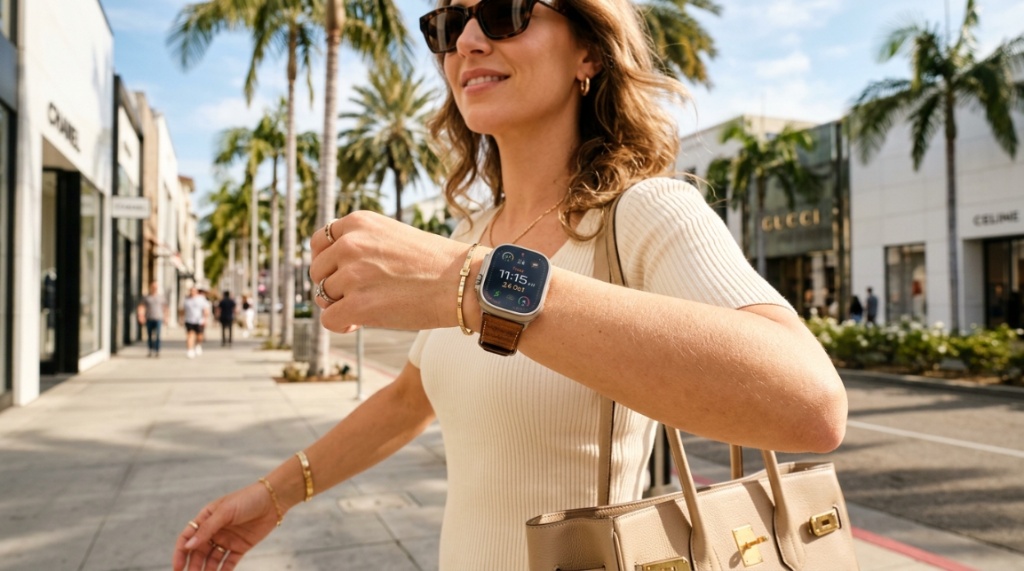
California’s lifestyle is as diverse as its landscape, from Silicon Valley boardrooms to Santa Monica boardwalks. A luxury smartwatch needs to keep pace with that versatility, but with flagship prices climbing past $800, choosing the right one can feel overwhelming. The challenge isn’t just finding a premium device; it’s finding one that genuinely fits how you live, work, and play. This guide breaks down the key decisions, features, and trade-offs to help you make a confident choice. We’ll cut through the marketing hype and focus on what actually matters when you’re investing in a high-end wearable.
What Defines a Luxury Smartwatch in 2024?
Luxury in the smartwatch world has split into two distinct camps. The first is tech-forward luxury, where the value lies in cutting-edge sensors, premium materials like titanium and sapphire glass, and an advanced operating system. The second is heritage luxury, where traditional watchmakers like TAG Heuer or Breitling add smart features to classic mechanical designs. Knowing which camp appeals to you is the first major decision.
Tech-First vs. Fashion-First Design
Tech-first watches, such as the Apple Watch Ultra 2 or Samsung Galaxy Watch 6 Classic, prioritize functionality. They offer the best displays, fastest processors, and deepest app ecosystems. Fashion-first watches prioritize aesthetics, often using Swiss movements or iconic design languages, but they typically sacrifice battery life and health-tracking depth. Your choice hinges on whether you see the watch as a health tool or a statement piece. For most people, the tech-first approach offers more long-term value because it receives software updates for years.
Key Features to Prioritize Based on Your Lifestyle
Before comparing specific models, you need to define your non-negotiables. A runner’s needs differ vastly from a frequent flyer’s. Here are the critical features to evaluate, ranked by their real-world impact.
Battery Life and Charging Speed
This is the single most common pain point for luxury smartwatch owners. Premium AMOLED displays and continuous health monitoring drain batteries quickly. Most full-featured luxury smartwatches last between 1.5 and 2 days on a single charge. If you want multi-day battery life (5+ days), you’ll need to look at hybrid options like the Garmin MARQ series or the Withings ScanWatch, which use low-power displays. Consider your charging routine: can you afford to take the watch off for 45 minutes each day? Fast charging (0-80% in 30 minutes) is a feature worth prioritizing if you choose a full-color display model.
Health and Fitness Tracking Accuracy
All luxury watches track heart rate and steps, but accuracy varies significantly. For serious athletes, look for watches with dual-band GPS and multi-wavelength heart rate sensors. These features improve accuracy in challenging environments like San Francisco’s hills or dense tree cover in Griffith Park. If you’re training for a marathon, a Garmin or an Apple Watch Ultra will provide more reliable data than a fashion-focused hybrid. Don’t be swayed by the number of metrics a watch claims to track; focus on the accuracy of the core metrics: heart rate, GPS distance, and sleep staging.
Durability and Materials
Luxury pricing should buy you genuine durability, not just a brand name. Look for specific material specifications:
- Case Material: Titanium is lighter and more scratch-resistant than stainless steel. If you’re active, titanium is the superior choice.
- Glass: Sapphire crystal is a must for luxury. It resists scratches far better than Gorilla Glass.
- Water Resistance: Check the ATM rating. 5 ATM is fine for swimming, but 10 ATM is better for high-speed water sports or diving.
Don’t assume a higher price tag means better durability. Always verify the specific material specs, not just the marketing language.
Comparing the Top Luxury Smartwatch Ecosystems
Your choice of smartwatch often locks you into an ecosystem. This is a critical long-term consideration that many buyers overlook in the excitement of a new gadget.
| Ecosystem | Best For | Key Strength | Key Limitation |
|---|---|---|---|
| Apple (watchOS) | iPhone users | Seamless integration, best app store, superior health sensors | Requires iPhone; battery life is average |
| Samsung (Wear OS) | Android users | Customization, rotating bezel (Classic), Google Assistant | Battery life can be inconsistent; some features require Samsung phone |
| Garmin | Athletes & explorers | Exceptional battery life (days to weeks), advanced metrics, rugged design | Less smart features; bulky designs; screen quality lower than AMOLED rivals |
| Hybrid (Withings, Garmin Vivomove) | Traditional watch lovers | Classic analog looks, 2+ week battery, basic health tracking | Limited notifications, no full-color apps, minimal third-party support |
Why Ecosystem Matters More Than Specs
You can buy the most powerful smartwatch on the market, but if it doesn’t integrate with your calendar, messaging, or smart home devices, you’ll end up frustrated. For example, an Apple Watch is the only smartwatch that can unlock a MacBook or use Apple Pay with Face ID. Similarly, a Samsung Watch offers the best experience when paired with a Galaxy phone. If you’re considering a switch from iPhone to Android, or vice versa, choose your watch first, as it will influence your phone choice for the next few years.
Budget Considerations and Hidden Costs
When searching for a luxury smartwatch in California, the sticker price is only the beginning. You need to factor in the total cost of ownership, which often surprises first-time buyers.
Accessories and Bands
Luxury bands are expensive. A genuine leather or metal link band from Apple, Garmin, or TAG Heuer can cost between $150 and $600. While third-party bands are cheaper, they often lack the same fit and finish. If you plan to wear the watch for both workouts and formal events, budget for at least two additional bands. This can add 20-30% to your total budget.
Subscription Services
Some advanced features require ongoing subscriptions. For example, cellular connectivity on an Apple Watch requires a monthly plan through your carrier (usually $10/month). Garmin’s advanced training metrics and mapping features are locked behind a premium subscription (Garmin Connect+). Before purchasing, check which features are free and which require a monthly fee. A watch that seems affordable may become expensive over a two-year period.
Common Mistakes to Avoid When Buying
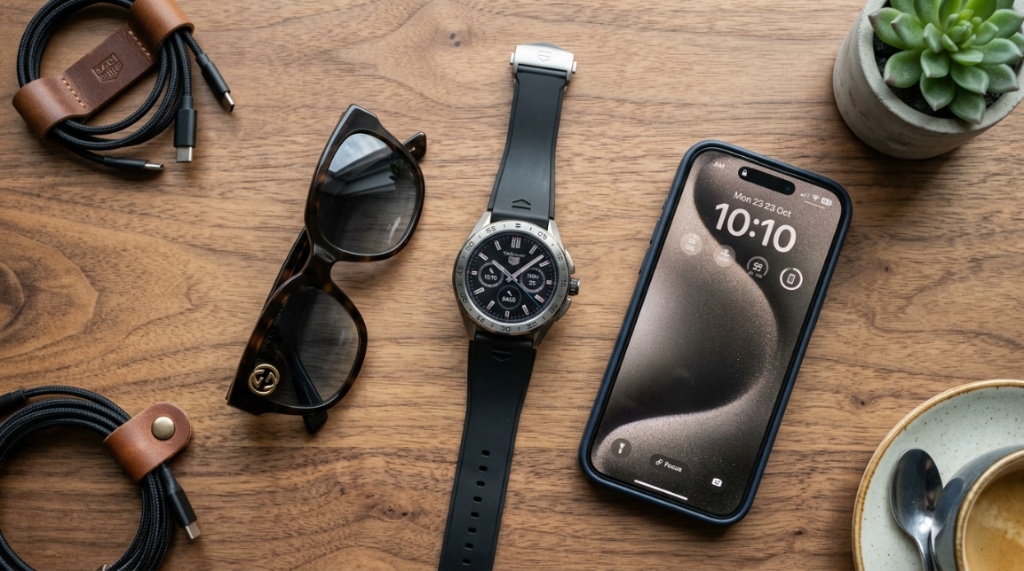
Many buyers make avoidable errors when purchasing a high-end wearable. Here are the most frequent pitfalls and how to sidestep them.
Ignoring the Size and Weight
A 49mm titanium case looks great in photos but may feel clunky on a smaller wrist. Always try the watch on in person or buy from a retailer with a generous return policy. The weight distribution matters more than the total weight. A well-balanced watch feels lighter than a poorly balanced one, even if the specs are identical.
Prioritizing Style Over Usability
It’s tempting to buy a watch that looks like a traditional chronograph, but if the touchscreen is unresponsive or the interface is clunky, you’ll stop using it within a month. Read recent user reviews about the software experience, not just the hardware. A beautiful watch that you can’t navigate is a waste of money.
Buying for the “Future”
Don’t buy a watch with features you think you might use someday. Buy for your current lifestyle. If you don’t run today, you probably won’t start just because your watch has a running coach. Paying extra for advanced metrics you don’t need is a common and costly mistake.
When to Buy: Timing Your Purchase for the Best Value
Luxury smartwatches rarely go on sale, but there are strategic times to buy. The best time is typically after major product launches (September for Apple, August for Samsung). When a new model drops, the previous generation often sees a 15-20% price reduction. This is the sweet spot for value buyers who don’t need the absolute latest processor.
Another strategy is to look at certified refurbished models directly from the manufacturer. These come with a warranty and are often indistinguishable from new units. Avoid buying from third-party marketplaces without a verified warranty, as luxury smartwatches are a common target for counterfeiters, Looking for budget-friendly options for your next trip? Check out our guide to help you Find Affordable Health Smartwatches in Florida.
Final Recommendations for California Buyers
Given the unique blend of tech culture, outdoor activity, and fashion consciousness in California, here are our final recommendations based on user profiles:
- The Tech Professional: Apple Watch Ultra 2 (if you use an iPhone) or Samsung Galaxy Watch 6 Classic (for Android). These offer the best productivity and health features.
- The Outdoor Enthusiast: Garmin Epix Pro or Fenix 7 series. The battery life and mapping capabilities are unmatched for hiking and trail running.
- The Style-Conscious Minimalist: Withings ScanWatch 2. It looks like a classic French timepiece but offers essential health tracking and a 30-day battery life.
Ultimately, the best luxury smartwatch is the one you’ll wear every day. Focus on comfort, ecosystem compatibility, and the accuracy of the features you actually use.
Frequently Asked Questions
Is a luxury smartwatch worth the price compared to a mid-range model?
It depends on your priorities. You pay a premium for superior materials (titanium, sapphire glass), better build quality, and more accurate sensors. If you need advanced health metrics or plan to wear the watch for years, the investment is justified. If you only need notifications and basic step counting, a mid-range model offers better value.
Can I use an Apple Watch with an Android phone?
No. The Apple Watch requires an iPhone to set up and function. There is no way to pair it with an Android device. If you are an Android user, you must look at Wear OS (Samsung, Google Pixel) or Garmin watches.
How long do luxury smartwatch batteries typically last?
Full-featured models with AMOLED screens typically last 1.5 to 2 days. Hybrid models with low-power displays can last 14 to 30 days. Garmin’s high-end models can last up to 15 days in smartwatch mode, depending on the model and settings.
Do I need a cellular version of a luxury smartwatch?
Only if you want to leave your phone behind. Cellular versions allow you to make calls, stream music, and receive notifications without your phone nearby. This is useful for runners or surfers. However, it requires an additional monthly carrier fee and drains the battery faster.
What is the difference between 5 ATM and 10 ATM water resistance?
5 ATM means the watch is suitable for swimming and shallow water activities. 10 ATM is suitable for high-impact water sports, snorkeling, and recreational diving (not saturation diving). For most people, 5 ATM is sufficient, but 10 ATM offers more peace of mind for ocean activities.
Conclusion
Choosing a luxury smartwatch in California doesn’t have to be a stressful decision. Start by defining your primary use case—whether that’s fitness, productivity, or style—and then let that guide your ecosystem choice. Prioritize battery life and sensor accuracy over flashy marketing features, and always factor in the cost of accessories and subscriptions. By focusing on your actual daily routine rather than the spec sheet, you’ll find a watch that feels like a natural extension of your life, not just another gadget. Take your time, try on the top contenders, and choose the one that disappears on your wrist while still delivering the insights you need.

You May Like

How to Choose the Best Wireless Headphones in Florida