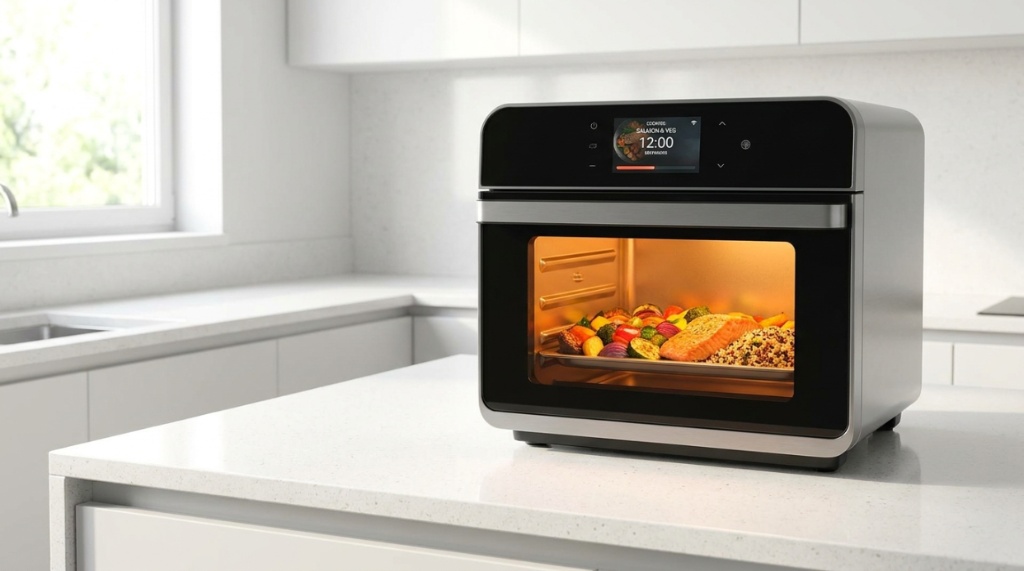
A family that switches from deep frying to air frying three times weekly eliminates roughly 15,600 calories of absorbed cooking oil from their annual diet—equivalent to 4.5 pounds of pure fat that was entering their bodies solely from the cooking method, not the food itself. Cooking faster and healthier with smart cooking appliances like air fryer ovens isn’t a marketing promise—it’s measurable physics: rapid superheated air creates identical crispiness to oil immersion without the caloric load, while connected technology ensures food reaches perfect doneness without the overcooking that destroys nutrients and produces harmful compounds. A smart air fryer oven enables healthier cooking by replacing oil-based browning with air-based convection browning, reducing cook times by 25–40% (preserving heat-sensitive nutrients), and using precision controls that prevent the charring and overcooking linked to carcinogenic compound formation. The barrier most families face isn’t access to healthier cooking methods—it’s time. Healthy cooking has been synonymous with slow cooking in collective perception. Smart air fryer ovens break this false association by making the healthy option simultaneously the fastest option—removing the excuse that “we don’t have time to cook healthy” from the family vocabulary. This guide shows exactly how to use an air fryer oven for home cooking that’s both faster than conventional methods and measurably healthier than traditional approaches.
How Much Faster Does a Smart Air Fryer Oven Actually Cook?
Smart air fryer ovens cook 25–45% faster than conventional ovens for most meals—with the combined advantages of near-instant preheat (2–5 minutes vs. 10–15), concentrated heat transfer, and intelligent algorithms that optimize temperature throughout the cooking cycle.
Speed comparison for common healthy meals:
| Meal | Conventional Oven (total time) | Smart Air Fryer Oven (total time) | Time Saved |
|---|---|---|---|
| Salmon fillet with vegetables | 35–40 min (incl. preheat) | 15–18 min | 20+ minutes |
| Chicken breast (boneless) | 35–45 min | 16–20 min | 15–25 minutes |
| Roasted broccoli/cauliflower | 30–40 min | 12–15 min | 18–25 minutes |
| Sweet potato wedges | 35–45 min | 18–22 min | 17–23 minutes |
| Turkey meatballs | 30–35 min | 12–15 min | 18–20 minutes |
| Whole grain toast with toppings | 8–10 min (toaster oven) | 4–5 min | 4–5 minutes |
Weekly time impact: cooking 10 healthy meals per week in a smart air fryer oven versus a conventional oven saves 2.5–4 hours weekly. That’s time returned to exercise, family activities, or rest—ironically enabling a healthier lifestyle beyond just healthier food through the time dividend alone.
How Does Air Frying Make Food Healthier Than Traditional Methods?
Air frying reduces fat content by 70–80% versus deep frying, preserves more vitamins through shorter cooking times, eliminates oil oxidation byproducts entirely, and reduces acrylamide formation in starchy foods by up to 90%—making it one of the healthiest high-heat cooking methods available.
Health benefits by mechanism:
- Fat reduction (70–80% less than deep frying): Deep frying submerges food in oil, which absorbs into the food’s surface layer. Air frying achieves identical surface crispiness through dehydration via hot air rather than oil replacement. A light oil spray (5–10 calories) replaces full immersion (200–500+ calories). This isn’t “less unhealthy”—it”‘s fundamentally different physics producing similar sensory results.
- Nutrient preservation (20–30% better vitamin retention): Shorter cooking times mean less thermal exposure for heat-sensitive nutrients. Vitamin C, B vitamins, and antioxidants degrade over time at temperature. Cutting cook time by 15–20 minutes measurably preserves these compounds—particularly in vegetables where vitamin content is the primary health benefit.
- Reduced harmful compound formation: Acrylamide (a starchy food carcinogen) was reduced 90% versus deep frying. HCA/PAH formation (protein carcinogens from charring) is prevented through smart probe auto-shutoff that stops cooking at the target temperature before charring occurs. Oil oxidation products (inflammatory compounds from degraded cooking oil) are eliminated entirely—zero oil bath means zero oil degradation.
- Moisture retention (juicier proteins): Faster cooking means less moisture evaporates from meat, producing juicier results without adding fats or sauces to compensate for dryness. Naturally juicy meat needs fewer calorie-dense additions to taste satisfying.
What Are the Healthiest Meals to Cook in a Smart Air Fryer Oven?
The healthiest air fryer oven meals combine lean proteins cooked to exact doneness with roasted vegetables caramelized without oil—creating nutritionally complete plates where the cooking method adds flavor through browning rather than through calorie-dense additives.
Top healthy meal categories:
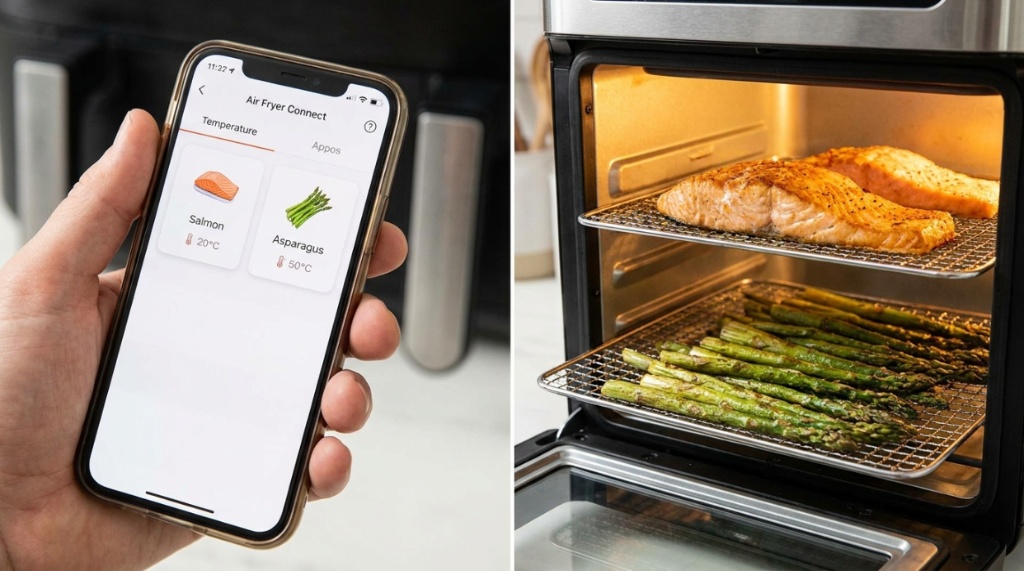
- Sheet pan protein + vegetables (complete meal, 15–20 min): Salmon/chicken breast on upper rack, seasoned vegetables (broccoli, bell peppers, zucchini) on lower rack. Everything cooks simultaneously, one cleanup, and zero added oil needed. The protein’s natural fats flavor the meal while a smart probe ensures perfect doneness.
- Air-fried “crispy” alternatives (guilt-free comfort food): chicken tenders with almond flour coating (not breadcrumbs), sweet potato fries with olive oil spray, and cauliflower wings with hot sauce. These deliver the satisfaction of fried food at 70–80% less fat—sustainable healthy eating that doesn’t feel restrictive.
- Roasted vegetable bowls (maximum nutrition, 12–15 min): Chickpeas, sweet potato, Brussels sprouts, and onion—all air roasted to caramelized perfection. Serve over quinoa or greens with a drizzle of tahini. Entirely plant-based, nutrient-dense, and genuinely delicious through browning chemistry rather than added fat.
- Lean protein meal prep (batch health for the week): Cook 5 chicken breasts to exactly 165°F using a probe (never dry, always safe). Roast 3 days of vegetables in two batches. Entire week of healthy lunches prepared in under 45 minutes. Probe precision prevents the dry, overcooked chicken that makes healthy meal prep feel punishing.
- Healthy breakfast options (5–8 min): egg cups in silicone molds, turkey bacon (crispier than pan-fried, zero added oil), whole grain toast with avocado, roasted tomatoes. Fast, healthy breakfasts that compete with the time-to-table of grabbing processed cereal.
How Do Smart Features Specifically Enable Healthier Cooking?
Smart features enable healthier cooking by preventing overcooking that creates carcinogens (probe auto-shutoff); providing calorie-conscious recipe libraries (app integration); tracking cooking habits for nutritional awareness; and automating precise temperature control that optimizes nutrient retention.
- Probe preventing carcinogen formation: HCAs form when meat is cooked above 300°F for extended periods—accelerating dramatically above target doneness. A smart probe stopping at exactly 165°F for chicken means the meat never enters the high-temperature zone where harmful compounds form rapidly. This is a genuine health protection feature.
- Guided healthy recipe programs: Apps categorize recipes by nutritional profile—low-calorie, high-protein, plant-based, Mediterranean diet, etc. The oven automatically configures for these programs, removing the knowledge barrier that prevents people from cooking healthy when they “don’t know what temperature” or “how long” to cook unfamiliar healthy ingredients.
- Portion awareness: Smart ovens that adjust time based on food weight prevent both undercooking (safety risk with raw protein) and overcooking (quality/nutrition degradation) — delivering the exact right amount of heat for the exact amount of food you’re cooking.
- Consistency enabling habit formation: Healthy eating succeeds through consistency. A smart oven that produces perfect healthy results every single time (through precision and automation) builds cooking confidence and habit permanence that inconsistent manual cooking undermines through occasional failures.
How Do You Transition From Unhealthy Cooking Habits to Air Frying?
Transition by replacing one traditionally fried or heavily oiled meal per day with an air-fried version—starting with foods that produce the most similar results (french fries, chicken wings, roasted vegetables) to prove that healthy tastes as good before expanding to full meal transformations.
Four-week transition plan:
- Week 1 — Side dishes: Air fry all side dishes that were previously fried or heavily oiled. Sweet potato fries, roasted broccoli, crispy chickpeas. Zero sacrifice in taste; immediate calorie reduction from eliminated oil.
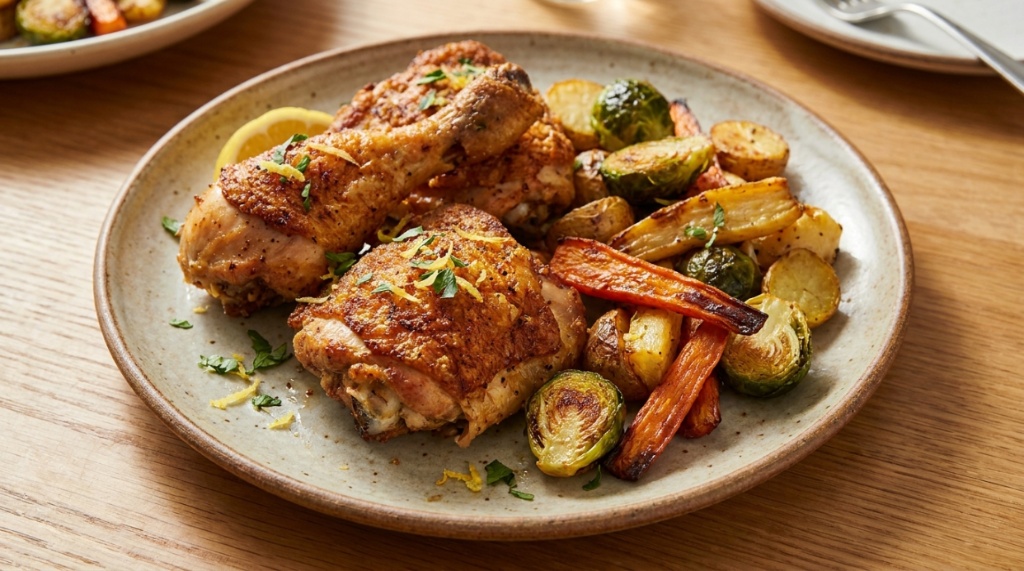
- Week 2 — Proteins: Move proteins from pan-frying (oil-heavy) to air frying (oil spray only). Chicken thighs, salmon fillets, and turkey burgers. Use the temperature probe for perfect doneness—proving that healthy proteins don’t mean dry, flavorless proteins.
- Week 3 — Full meals: Cook entire dinners in the air fryer oven (dual rack: protein + vegetables simultaneously). Eliminate the conventional oven entirely for weeknight dinners. Experience the time savings + health benefits compounding.
- Week 4 — Snacks and extras: Replace packaged snacks with air-fried alternatives: kale chips, apple chips, homemade granola, and crispy roasted nuts with spices. Control every ingredient—eliminating hidden sugars, seed oils, and preservatives that packaged “healthy” snacks contain.
The psychology that makes this work: each week adds one new habit without removing anything forcefully. By week 4, the air fryer oven has naturally displaced unhealthy methods because the results are equal or better with less effort and less time. Willpower wasn’t required — superior convenience drove the transition.
What Mistakes Prevent Healthy Air Fryer Cooking?
The most common mistakes are using too much oil (negating the health advantage), overcrowding that prevents proper air circulation (creating steamed rather than crisped food), cooking at excessive temperatures that form harmful compounds, and defaulting to processed frozen foods instead of whole ingredients.
- Over-oiling: More oil doesn’t mean crispier. Beyond a light mist, additional oil drips off food, smokes, and adds unnecessary calories without improving browning. One spray pass per food surface is sufficient—excess oil pools at the bottom and creates smoke rather than crispiness.
- Overcrowding: Packed food blocks airflow, converting air frying into steaming. Steamed food isn’t crispy—and extended cooking time to compensate destroys more nutrients than proper single-layer air frying. Cook in batches rather than overloading. 70% rack coverage maximum for proper results.
- Excessive temperature: Cooking everything at maximum (450°F+) doesn’t mean faster — it means charred exteriors with raw interiors, plus accelerated harmful compound formation. Most healthy cooking performs optimally at 350–400°F, where browning occurs without burning.
- Frozen processed food reliance: Air frying frozen nuggets, pizza rolls, and processed items is faster — but doesn’t deliver health benefits. The air fryer reduces fat from the cooking method only; it doesn’t transform nutritionally empty processed food into whole food. Use the speed for cooking real ingredients, not just heating processed ones faster.
- Ignoring smart features: Using a smart air fryer oven as a basic dumb oven (manual temperature and timer only) wastes the precision that prevents overcooking and the guided programs that teach healthier cooking methods. Engage with the technology — it’s designed to make healthy cooking easier, not just possible.
Managing a busy home requires smart routines, especially for families balancing unique, high-energy schedules. For households welcoming new dynamics—such as families exploring —saving time in the kitchen becomes absolutely essential. Learning how to cook faster and healthier with a smart air fryer oven ensures you can serve nutritious, comforting meals on autopilot, leaving you with more quality time to focus on supporting your family’s needs.
Managing a busy home requires smart routines, especially for families balancing unique, high-energy schedules. For households welcoming new dynamics—such as families exploring what types of foster care are there—saving time in the kitchen becomes absolutely essential. Learning how to cook faster and healthier with a smart air fryer oven ensures you can serve nutritious, comforting meals on autopilot, leaving you with more quality time to focus on supporting your family’s needs.
Conclusion
Smart air fryer ovens deliver the rare combination of faster AND healthier simultaneously—a combination that eliminates the primary excuse preventing most families from cooking nutritious meals daily. When the healthy option takes 15 minutes instead of 40, requires less effort through smart automation, and produces food that tastes as good as (or better than) unhealthy alternatives, the decision to eat well requires zero willpower. It becomes the path of least resistance rather than the disciplined sacrifice marketing wants you to believe healthy eating demands.
Start with simple swaps: air fry what you’d normally deep fry or heavily oil. Experience the 70–80% fat reduction with zero taste sacrifice. Expand to full healthy meals using dual-rack simultaneous cooking. Let smart features (a probe for perfect protein and guided programs for new recipes) build your confidence with unfamiliar healthy ingredients. Within weeks, the air fryer oven for home cooking becomes your primary health tool — not through restriction, but through making nutritious food genuinely faster, easier, and more delicious than the alternative.
Frequently Asked Questions
Is air-fried food really as crispy as deep-fried?
For most foods, air frying achieves 85–95% of deep-frying crispiness—enough that most palates cannot distinguish between methods in blind testing. The slight difference appears primarily in heavily battered items (tempura, beer-battered fish), where the thick batter needs oil immersion to achieve uniform crunch. For standard cooking (fries, wings, breaded cutlets, vegetables), air frying produces equivalent crispiness at 70–80% less fat.
How much oil should I use when air frying for health?
One to two sprays from an oil mister per food surface — approximately 1–2 teaspoons total for a full batch. This adds 40–80 calories versus 300–500+ calories from pan-frying the same amount. Many foods (chicken with skin, salmon, and vegetables with natural moisture) air fry perfectly with zero oil. When oil is used, choose heart-healthy options: avocado oil (high smoke point) or extra-virgin olive oil.
Does air frying destroy omega-3 in fish?
Air frying retains 80–90% of omega-3 fatty acids in fish—significantly better than deep frying (which leaches 70–85% of omega-3 into the frying oil you discard). The brief cooking time and absence of oil immersion keep healthy fats within the fish rather than dissolving into the cooking medium. Air frying is the optimal high-heat method for preserving fish oil nutritional value.
Can I cook a complete healthy meal in one air fryer oven cycle?
Yes—dual-rack models cook protein (upper rack) and vegetables (lower rack) simultaneously in 15–20 minutes. A complete meal of herb-crusted chicken breast with roasted broccoli and sweet potato cooks in a single 18-minute cycle. This makes air fryer oven complete-meal cooking faster than driving to any restaurant—removing the “convenience” excuse for unhealthy takeout choices.
Is air frying healthier than grilling?
Comparable for fat content (both use minimal added oil), but air frying produces fewer carcinogenic compounds because there’s no direct flame contact creating HCAs/PAHs and no fat dripping onto heat sources creating smoke that redeposits on food. For maximum health, air frying edges out grilling—while both dramatically outperform deep frying and pan frying in nutritional impact.
How do I get my kids to eat air-fried healthy food?
Start with shapes and textures kids already love: air-fried chicken nuggets (homemade from real chicken breast), crispy sweet potato fries, crunchy vegetable chips, and “pizza” bagels with real toppings. The familiar crispy texture and golden color eliminate visual resistance. Kids eat with their eyes first—air-fried food looks identical to deep-fried versions they already accept. The nutritional difference is invisible to them while being visible in their health outcomes.

You May Like

How to Improve Back Comfort with Your Office Chair in WA