You don’t want to crack your skull, but your wallet is already bruised from buying new wheels. That’s the reality of skating on a budget—you need protection you can trust without paying half your paycheck. The good news? You don’t have to choose between safety and savings. Finding cheap skate helmets that protect is absolutely possible if you know what to look for. Too many skaters grab the cheapest bucket off the shelf, assuming all helmets are the same. They’re not. This guide will show you exactly how to spot a genuine safety deal versus a dangerous dud so you can ride with confidence and cash still in your pocket.
What Makes a Skate Helmet Safe?
Understanding Impact Ratings
Safety isn’t about brand names or fancy graphics—it’s about certification. A legitimate skate helmet must meet CPSC (Consumer Product Safety Commission) or ASTM F1492 standards. These ratings mean the helmet has been tested for multiple impacts at lower velocities, which is exactly what happens when you slam. If a helmet doesn’t have one of these stickers inside, don’t trust it with your head.
Hard Shell vs. In-Mold Construction
Hard shell helmets feature a thick ABS plastic outer layer bonded to EPS foam. They’re heavier but handle repeated abuse well. In-mold helmets fuse the shell and foam together during manufacturing, creating a lighter, sleeker design. Both can be safe, but for cheap skate helmets that protect, hard shell models often offer the best value per dollar because the manufacturing process is less expensive.
Why Multi-Impact Design Matters
Unlike bike helmets designed for a single crash, skate helmets are engineered for multiple impacts. The EPS foam is denser and thicker, distributing force across the skull rather than absorbing it all in one go. This means if you eat it twice in the same session, your helmet still has your back. Cheaper helmets often cut corners here, using thinner foam that degrades fast.
How Much Should You Spend on a Decent Skate Helmet?
The $20 Trap
You’ll see helmets at big-box stores for under twenty bucks. They look fine on the shelf, but they rarely carry proper certifications. Many are toys, not safety gear. Spending this little almost guarantees you’re buying a helmet that won’t perform in a real crash. Save the twenty dollars and put it toward something certified.
The Sweet Spot: $35 to $60
This price range delivers genuine protection without breaking the bank. At thirty-five dollars, you can find CPSC-certified hard shell helmets from reputable brands. At sixty dollars, you start seeing better ventilation, removable liners, and more comfortable fit systems. This is exactly where you’ll find the best cheap skate helmets that protect without sacrificing quality.
Bargain Hunting Tips
Look for last season’s colorways, open-box deals, or manufacturer refurbished units. Helmets don’t expire after one year—safety standards don’t change that fast. You can often score a premium helmet at a budget price just because the graphic is ugly or the packaging got damaged.
Which Helmet Certifications Should You Look For?
CPSC Certification
The Consumer Product Safety Commission standard is the minimum legal requirement in the United States. It tests for single high-impact events, which is relevant for bike riders but not perfect for skaters. Still, a CPSC sticker is better than nothing and is common on affordable helmets.
ASTM F1492 Certification
This is the gold standard for skateboarding. The ASTM F1492 test simulates multiple impacts at lower speeds, exactly like skate park falls. Helmets with this rating undergo more rigorous testing and typically feature thicker foam and stronger shells. If you see this sticker, you’re buying real protection.
EN 1078 for International Riders
European standard EN 1078 is similar to CPSC but includes additional retention system tests. Many budget helmets sold abroad carry this certification. It’s a solid indicator of safety, though not legally required in North America. Always verify by checking the label inside the helmet.
How to Check If a Cheap Helmet Actually Fits Properly
The Hand Test
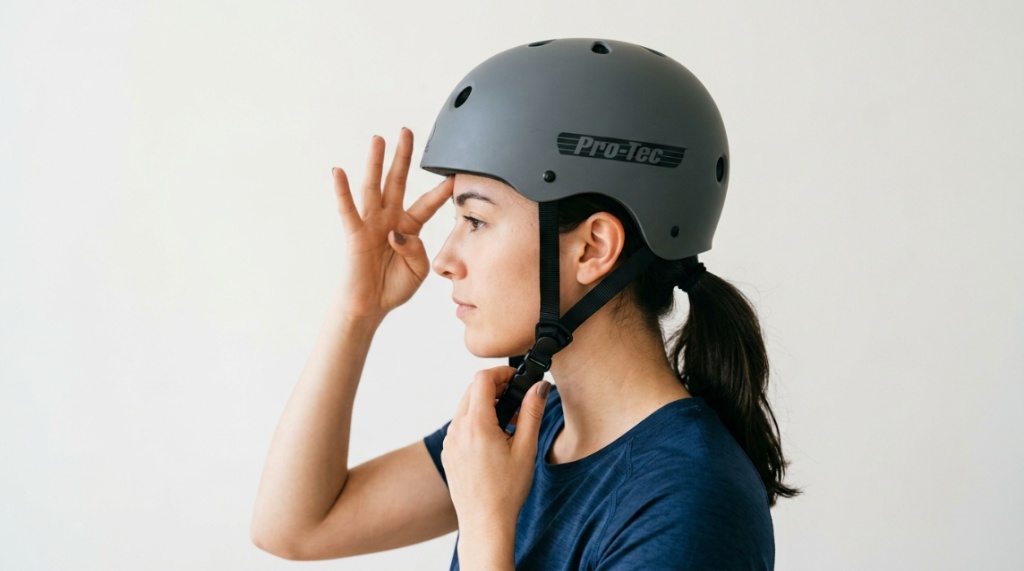
Put the helmet on without fastening the strap. Shake your head gently. If the helmet moves independently from your skull, it’s too big. A proper fit means the helmet stays put even when you tilt forward. Cheap helmets that protect must fit snugly—this is non-negotiable.
The Two-Finger Check
When you buckle the chin strap, you should be able to slide two fingers between the strap and your chin. Any looser, and the helmet will shift during impact. Any tighter, and you’ll be distracted. Adjust the side sliders so the V of the straps sits just below your earlobes.
Circumference Measurement
Use a soft measuring tape around your head, just above your eyebrows and ears. Compare this number to the manufacturer’s sizing chart. Most cheap helmets come with universal sizing pads that you can swap out to dial in the fit. Don’t skip this step—ill-fitting helmets fail in crashes regardless of price.
Can a $30 Helmet Really Protect You in a Skate Park?
Real-World Performance
Yes, a thirty-dollar helmet can absolutely protect you, provided it carries proper certification and fits correctly. Many budget helmets from brands like Triple Eight, Pro-Tec, and Schwinn offer CPSC-certified models under forty dollars. These helmets share the same foam density and shell thickness as their pricier siblings—you’re just paying less for fewer features.
What You Give Up at Lower Price Points
Cheaper helmets often lack ventilation channels, meaning your head gets sweatier faster. The padding may be less plush, and the chin strap hardware could feel cheaper. You might also get fewer sizing pads. None of these affect crash performance—they affect comfort. If you can handle some extra sweat, thirty dollars is plenty.
When to Spend More
If you skate vert ramps, bowl transitions, or drop in on ten-foot ramps regularly, consider spending a bit more for an ASTM-certified model. The foam density in those helmets handles higher force impacts better over time. But for flatground tricks, ledges, and small park obstacles, a thirty-dollar CPSC helmet is perfectly adequate.
Where to Buy Budget Skate Helmets Without Getting Scammed
Online Marketplaces with Buyer Protection
Amazon, Walmart, and Target online all carry budget helmets with clear certification listings. Always check the product description for “CPSC certified” or “ASTM F1492” before clicking buy. Read recent reviews, not just the top-rated ones. Look for comments about fit, durability, and crash performance from real skaters.
Local Skate Shops
Independent skate shops often have clearance bins or last-year models at deep discounts. You also get the advantage of trying the helmet on before buying. Ask the staff what they recommend for beginners on a budget—they see crashes every day and know which cheap helmets actually survive them.
Warehouse and Discount Retailers
Costco sometimes stocks multi-pack helmets at shockingly low prices per unit. Dick’s Sporting Goods and REI outlet sections also carry certified helmets under fifty dollars. Just verify the certification tag in store before purchasing. If you can’t find it, ask a manager.
Why You Should Avoid Used Skate Helmets
Hidden Damage
EPS foam compresses upon impact and never springs back. A used helmet might look fine on the outside, but internal cracks or foam compression can render it useless. The previous owner might have slammed hard and kept riding—you’d be inheriting compromised protection.
No Warranty
Helmet warranties typically cover manufacturing defects, not crash damage. Buying used means zero recourse if the padding starts peeling or the strap snaps. New cheap skate helmets that protect cost around thirty dollars, which is less than the copay on a hospital visit.
Unknown Age
Manufacturers recommend replacing helmets every three to five years because UV light and sweat degrade foam over time. A used helmet from a thrift store or garage sale could be a decade old. You simply can’t verify its history. Buy new, even if it’s cheap,
Finding an affordable, certified helmet is step number one, but staying safe also depends on the stability of your board. If you are just starting out, check out the Top Reasons WhiteFang 31 is One of the Best Beginner Skateboards to ensure your entire setup is safe and reliable.
How to Extend the Life of Your Budget Helmet
Clean It Properly
Sweat and oils break down foam and padding. Wipe the interior with a damp cloth after each session. Use mild soap if it gets really funky, but never submerge the helmet in water. Let it air dry completely before storage. A clean helmet lasts longer and smells better.
Store It Out of the Sun
Leaving your helmet in a hot car trunk or hanging from your backpack in direct sunlight accelerates foam degradation. UV radiation is the enemy of EPS foam. Store it in a cool, shaded place—a closet or gear bag works perfectly. Your helmet will stay protective for years longer.
Replace After Any Hard Crash
If you drop in and smack your head hard enough to see stars, replace the helmet immediately. Even if there’s no visible crack, the foam has compressed. A second impact at the same spot could be catastrophic. Budget helmets are disposable after a real slam—that’s why they’re cheap enough to replace.
What Features Do Cheap Skate Helmets Usually Lack?
MIPS Technology
MIPS (Multi-directional Impact Protection System) adds a low-friction layer that reduces rotational forces during angled impacts. This technology typically adds twenty to thirty dollars to the price. Most cheap helmets don’t include it. While MIPS is beneficial, its absence doesn’t make a helmet unsafe—it just removes an extra layer of protection.
High-End Ventilation
Premium helmets feature sculpted ventilation channels that pull heat away from your head. Budget helmets usually have fewer, simpler vents. You’ll sweat more, especially on hot days. Consider wearing a thin beanie or skull cap under the helmet to manage moisture if ventilation is poor.
Replaceable Padding
Some cheap helmets have padding glued in permanently. When it wears out or gets too stinky, you have to replace the whole helmet. Mid-range to premium models often use removable, washable liners. This is a trade-off at lower price points, but thirty dollars for a new helmet every couple of years is still affordable.
How to Spot a Fake or Unsafe Cheap Helmet
Missing Certification Labels
Every legitimate helmet has a permanent sticker or tag inside listing certifications. If you can’t find one, or if the sticker looks printed on ordinary paper, walk away. Fake helmets often skip certification entirely to cut costs. Your head is worth more than a fake sticker.
Suspiciously Low Weight
A genuine skate helmet has heft due to the EPS foam and thick shell. If a “helmet” feels flimsy and light like a bicycle helmet or even a toy hat, it’s not protective. Compare the weight to known certified models in a store if possible. Real protection has substance.
Retailer Red Flags
Be wary of listings on unregulated marketplace platforms where anyone can sell. Discontinued colorways from unknown brands with no website or customer support are major red flags. Stick to established retailers and brands with clear return policies. If the deal seems too good to be true, the helmet is probably unsafe.
Frequently Asked Questions
Are cheap skate helmets safe for beginners?
Yes, as long as they are CPSC or ASTM certified and fit correctly. Beginners falling at slower speeds don’t need the most expensive helmet. A thirty-dollar certified helmet provides adequate protection for learning.
How often should I replace a budget skate helmet?
Replace it every three to five years from the purchase date, or immediately after any hard impact where you hit your head. Even cheap helmets maintain their integrity for years if stored properly and not crashed.
Can I use a bike helmet for skateboarding?
Bike helmets are designed for single high-impact crashes and offer less coverage at the back of the head. They are not ideal for skateboarding’s multi-impact falls. Always look for a helmet specifically rated for skateboarding or certified ASTM F1492.
Do expensive helmets protect better than cheap ones?
Not necessarily. Both expensive and cheap certified helmets must pass the same safety tests. The extra cost goes toward comfort features like ventilation, weight reduction, and removable liners, not higher impact protection.
What is the best certification for a skate helmet?
ASTM F1492 is the best certification for skateboarding because it tests for multiple low-velocity impacts. CPSC is also acceptable, but ASTM is specifically designed for action sports. Look for both if possible.
Should I buy a helmet that is one size fits all?
Avoid “one size fits all” helmets unless they come with adjustable fit systems or include multiple foam pads. Universal fit rarely fits well. A properly sized helmet using the manufacturer’s measurements is always safer.
Can I paint or modify a cheap skate helmet?
Painting or adding stickers that chemically interact with the shell can weaken it. If you must customize, use only stickers applied to the outer surface. Never drill holes or attach hardware that penetrates the shell, as this compromises structural integrity.
Conclusion
Finding cheap skate helmets that protect comes down to three things: checking for real certifications, ensuring a snug fit, and buying from trustworthy sources. You don’t need to spend a hundred dollars to keep your brain safe. The thirty-to-sixty-dollar range is packed with certified helmets that will take the slam and keep you riding. Stop overthinking and stop gambling with your health. Pick a certified model, get the fit right, and replace it after a hard hit. Your skull is worth the thirty-dollar investment. Go find a budget helmet that actually works, and get back to skating with confidence.

You May Like

How to Improve Back Comfort with Your Office Chair in WA