Key Takeaways
- Tree removal can prevent the spread of disease and safeguard the well-being of nearby plants.
- Opening up sunlight and redistributing nutrients benefits the entire yard.
- Thoughtful tree removal creates room for new plantings and boosts landscape appeal.
- Consulting an expert ensures the process is both safe and environmentally sound.
Caring for a healthy landscape involves more than just regular watering and mowing. Strategic tree removal is often an overlooked aspect of yard maintenance, yet it can significantly impact the vibrancy and sustainability of your property. Deciding if and when to remove a tree requires a balanced understanding of the tree’s effect on your yard’s ecological health and safety.
Trees offer shade, beauty, and a habitat for wildlife. However, trees that have become diseased, damaged, or poorly positioned can actually hinder the growth of other plants and create hazards. Removing such trees, when necessary, encourages a flourishing landscape and reduces long-term risks to property and people.
Timing and planning are important when removing trees. Early intervention can stop infections from spreading to healthy plants and prevent further problems, while delayed action often allows more extensive damage. By addressing these issues promptly, homeowners can nurture a more resilient and attractive yard.
In addition to tree removal, services like tree stump grinding can further enhance the appearance and health of the landscape by eliminating potential obstacles and preventing regrowth that can disrupt carefully planned plantings.
Preventing the Spread of Disease
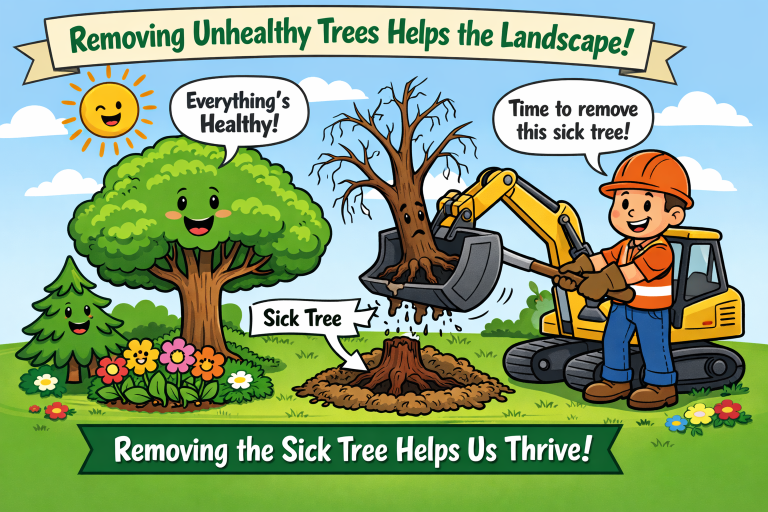
One of the most compelling reasons to remove a tree is to prevent the spread of illness within your landscape. Diseases caused by fungi, bacteria, or pests can quickly transfer from tree to tree, devastating multiple species and the surrounding ecosystem. Early detection and removal of infected trees are crucial for minimizing risks and saving other valuable plant life in the area. According to a Seattle Times article on creating a wild yard, properly identifying and handling diseased trees is essential to maintaining a thriving landscape.
Enhancing Sunlight and Nutrient Distribution
Overgrown trees and those situated in the wrong spot can block sunlight from reaching other parts of your yard. Grass, flowering plants, and shrubs need adequate sunlight to prosper. When a large tree casts too much shade, the result can be patchy grass and struggling garden beds. Removing or thinning trees allows more light to reach all corners of your yard, giving each plant an equal chance to grow. Furthermore, trees with large, aggressive root systems may compete for soil nutrients. Removing some of these trees helps balance resources and supports more robust plant health throughout your landscape.
Creating Space for New Growth
Yards crowded with trees often experience competition for light, space, water, and soil nourishment, which can stifle the development of younger or more sensitive plants. By selecting which trees to remove, homeowners can intentionally open up the landscape, making room for new plantings, garden beds, or functional outdoor spaces. This approach not only improves your yard’s appearance but also encourages biodiversity, which benefits the overall ecosystem.
Improving Landscape Aesthetics
Landscape design evolves over time as preferences change and families grow, so it’s common to reimagine outdoor spaces for better function or visual appeal. Removing a tree that clashes with a new design plan, blocks a desired view, or disrupts the symmetry of the landscape can make a big difference in curb appeal and enjoyment. Combined with regular pruning and maintenance, strategic tree removal forms the foundation of a clean, unified, and inviting outdoor environment.
After tree removal, addressing the remaining stump is also important for both safety and aesthetics. Proper removal techniques, outlined by the This Old House guide to stump removal, can help you restore a clear and usable yard.
Ensuring Safety and Property Protection
Dead or structurally unstable trees often present hidden dangers, particularly during storms or periods of high wind. Falling limbs or entire trees can damage structures, vehicles, and utility lines, or even cause injury. Regularly assessing trees and removing those that are dead, dying, or significantly weakened ensures that your property remains safe for your family and neighbors. Prevention is far less costly and disruptive than addressing serious damage after the fact.
Professional Assessment and Removal
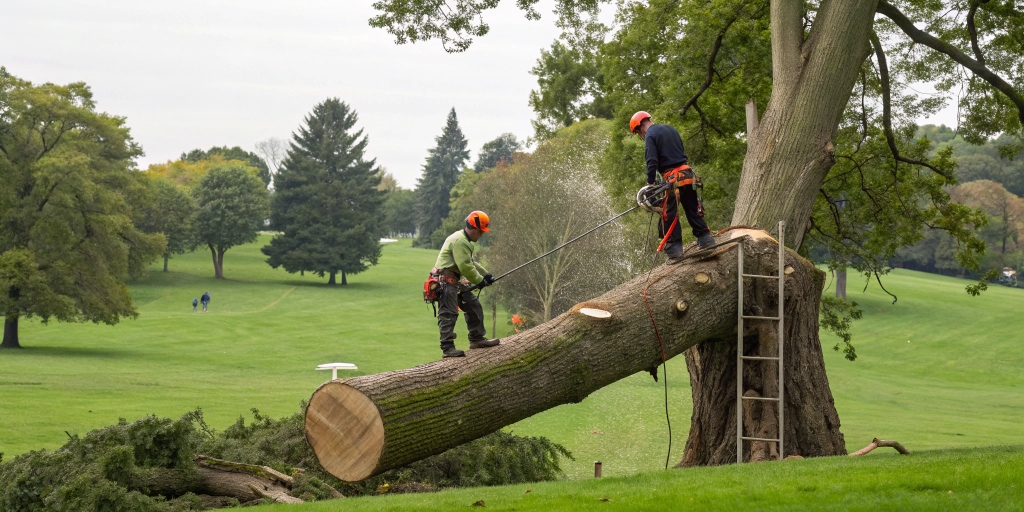
While some small trees may be safely removed by homeowners, larger or more complex jobs require professional expertise. Certified arborists are trained to diagnose problems, recommend solutions, and carry out extractions that minimize damage to the surrounding landscape. Arborists can also suggest suitable replacement trees to support the environmental health of your yard and local ecosystem, ensuring sustainable results for years to come.
Conclusion
Proper tree removal is an integral part of landscape management, crucial for sustaining the health, safety, and beauty of your outdoor space. Recognizing when removal is required and acting decisively protects the long-term vitality of your property. By consulting professionals and considering related services such as stump grinding, you can cultivate a landscape that brings lasting value and peace of mind.