Key Takeaways
- Flexible floor plans are designed to meet a variety of changing needs and lifestyles.
- Features such as multipurpose flex rooms and well-zoned open spaces increase a home’s functionality and comfort.
- Modular construction enables highly personalized layouts, making it easier to adapt your home over time.
- Purpose-built solutions for multigenerational living foster both privacy and togetherness under one roof.
- Integrating smart technology boosts usability, efficiency, and the customization of living spaces.
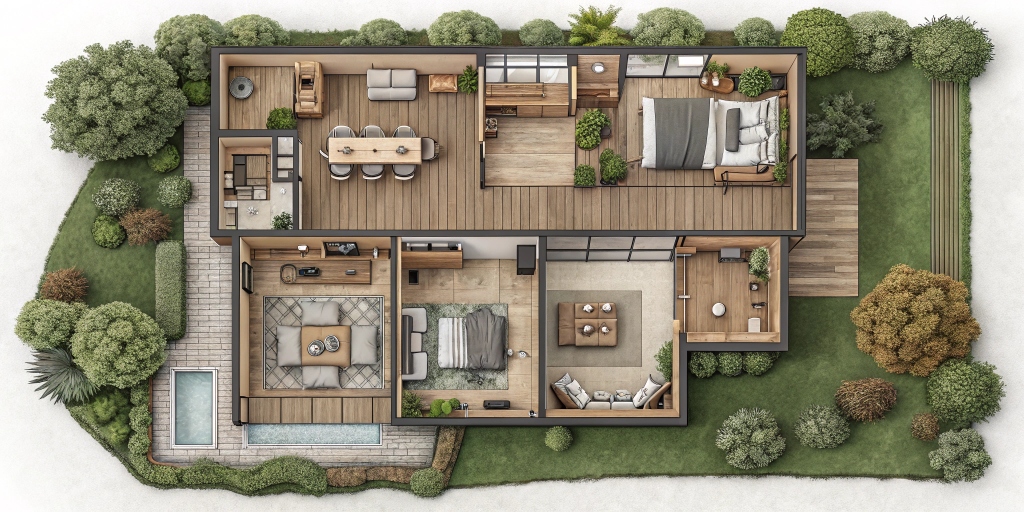
More than ever, families and homeowners are seeking adaptable living solutions that can keep up with today’s rapidly changing lifestyles. Flexible house floor plans are revolutionizing the way we think about our living spaces, transforming them from static blueprints into ever-evolving environments that reflect personal needs and future ambitions. Whether you’re searching for versatile living arrangements or thoughtfully crafted house floor plans, understanding how flexible designs function is essential if you want a home that grows with you. Modern lifestyles demand more than simple open spaces or extra bedrooms; they require innovative features like multipurpose rooms, efficient zoning, and customizable layouts. As life evolves—whether accommodating guests, working remotely, or living with multiple generations—the ability to easily repurpose areas within your home becomes invaluable. These adaptable solutions support everything from hybrid work schedules to hobbies and intergenerational households, eliminating the need for costly remodels or cumbersome adjustments.
The Rise of Flex Spaces
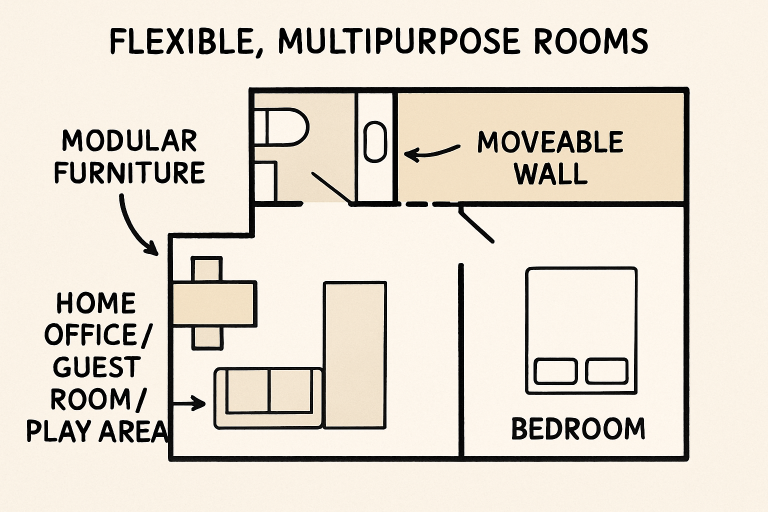
Flex spaces—sometimes referred to as multipurpose rooms or bonus rooms—have become a central feature of contemporary home design. These versatile rooms can quickly adapt from a productive home office by day to a cozy guest room or kids’ play area by night. Homeowners are increasingly looking for spaces that can fulfill two or even three functions, maximizing usability without requiring a larger footprint. According to Architectural Digest, this level of flexibility is rapidly shaping modern home design trends and influencing how homes are designed and purchased.
This shift is not just about utility, but also about financial sense—thoughtful home design allows homeowners to gain more value from each square foot. With an array of multifunctional furniture, creatively built-in storage, and clever room dividers, flex spaces can be easily reimagined as needs change, reducing the necessity for additional add-ons or costly moves.
Open-Concept Designs with Smart Zoning
While open-concept floor plans remain popular for promoting light and connectivity, smart zoning takes this concept one step further. Rather than relying on heavy walls to divide spaces, designers are introducing subtle cues—such as changes in floor textures, ceiling heights, or architectural elements like arches or partial glass walls—to create distinction without compromising flow.
This approach enables the best of both worlds: families enjoy the airy feel of an open plan, while retaining the option for pockets of privacy and noise control. As reported by Architectural Digest, smart zoning designs provide homeowners with the flexibility to entertain, relax, and work from home all within arm’s reach, without compromising the sense of a cohesive and inviting home.
Modular Homes: Customization at Its Best
Modular homes offer a remarkable degree of customization, enabling homeowners to adapt layouts to suit any stage of life. With modular construction, you can add or subtract rooms, reconfigure entire wings, and adjust utility placements—all without significant demolition or disruption. The modular trend aligns with a growing desire for homes that reflect not only style but also personal workflow and evolving household sizes.
Data from the National Association of Home Builders shows a significant spike in demand for modular flexibility since 2020, making it a smart choice for both new builds and expansions. This approach is especially advantageous for accident-proof aging in place, home-based businesses, or integrating wellness spaces into daily routines.
Designing for Multigenerational Living
Multigenerational living is no longer just a trend—it has become a priority for many families. Architects and designers are responding with self-contained pods, suites, or “in-law” quarters that blend independence with connectivity. These solutions often feature their own entrances, kitchenette setups, and sound-insulated living areas, meeting needs for privacy and togetherness. NBC News recently examined how multigenerational homes are on the rise due to both economic and emotional factors, highlighting the importance of adaptive, thoughtfully designed spaces.
These layouts help future-proof your property—whether welcoming a parent, supporting college-age children returning home, or adding a rental unit for extra income. Flexibility here fosters harmony and long-term peace of mind for diverse households.
Integrating Smart Home Technology
Smart home technology brings a new layer of flexibility and efficiency to contemporary living. Moveable partition walls, retractable storage, adjustable lighting systems, and wireless security allow for spaces to transform with minimal effort. Advanced modular utilities enable kitchens or bathrooms to be moved or expanded as families grow, without major downtime or high costs. According to CNET, smart tech is now central in making homes truly adaptable, supporting hybrid work models, sustainability, and an enhanced quality of life.
This technological edge ensures that a home remains as dynamic as the lives it serves—easily shifting, expanding, or contracting to support work, leisure, accessibility, and entertainment.
Final Thoughts
Flexible house floor plans are driving a revolution in modern living, making homes more accommodating, functional, and future-proof. By incorporating versatile flex spaces, smart zoning, modular layouts, dedicated multigenerational suites, and the power of smart technology, homeowners can enjoy truly adaptive environments. This new era of flexible design isn’t just about trends—it’s about creating spaces that work for every chapter of life, now and well into the future.

You May Like
How to Improve Back Comfort with Your Office Chair in WA